
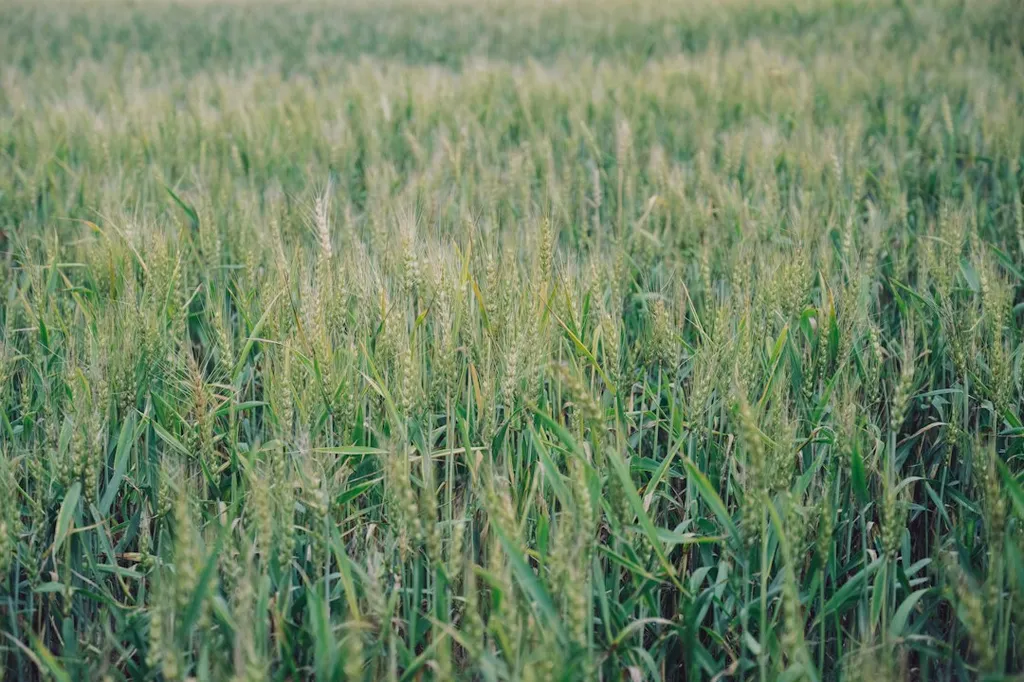
The wheat-maize double cropping system, a backbone of China’s agricultural production, faces a high-stakes balancing act: maximizing yields while preventing resource depletion and environmental harm. According to a recent review by Lingyun Li and colleagues at Henan Agricultural University, this system—where wheat and maize are grown in sequence on the same field within a single year—delivers high cereal output and efficient land use. But as the paper in *Crop and Environment* (《作物与环境》) reveals, its long-term sustainability is under pressure from over-irrigation and excessive nitrogen application, both of which carry hidden environmental and economic costs.
“This system feeds millions, but it’s running on borrowed water and nitrogen,” said Li, a researcher at the College of Agronomy and the College of Resources and Environment. “We can’t keep mining the soil or flooding the fields without consequences.”
The Huang-Huai-Hai Plain (HHHP), China’s breadbasket, is the heartland of this double cropping system. It supports nearly 300 million people and contributes significantly to national grain reserves. Yet, the review highlights that current practices are pushing soil health and water resources to the brink. Excessive irrigation and nitrogen use not only reduce efficiency but also contribute to groundwater depletion and greenhouse gas emissions—costs that ripple through energy markets as water pumping and fertilizer production demand more power.
The study underscores the urgent need for innovation. High-yielding, stress-resistant crop varieties and precision water-saving irrigation technologies could reduce energy intensity in agriculture while maintaining output. “We’re not just talking about farming differently,” Li noted. “We’re talking about rethinking the entire energy-food-water nexus.”
For the energy sector, these findings signal a shift. As agriculture tightens its water and nitrogen use, demand for energy-intensive inputs could decline—benefiting utilities and reducing carbon footprints. Conversely, adoption of smart irrigation and soil monitoring technologies may spur new markets for energy-efficient farming equipment and digital agriculture platforms.
The paper, published in *Crop and Environment*, doesn’t offer a silver bullet, but it maps a clear path forward: smarter crop management, better soil health, and technology that aligns productivity with sustainability. In a world where food security and climate action are increasingly intertwined, such insights are not just academic—they’re strategic.