
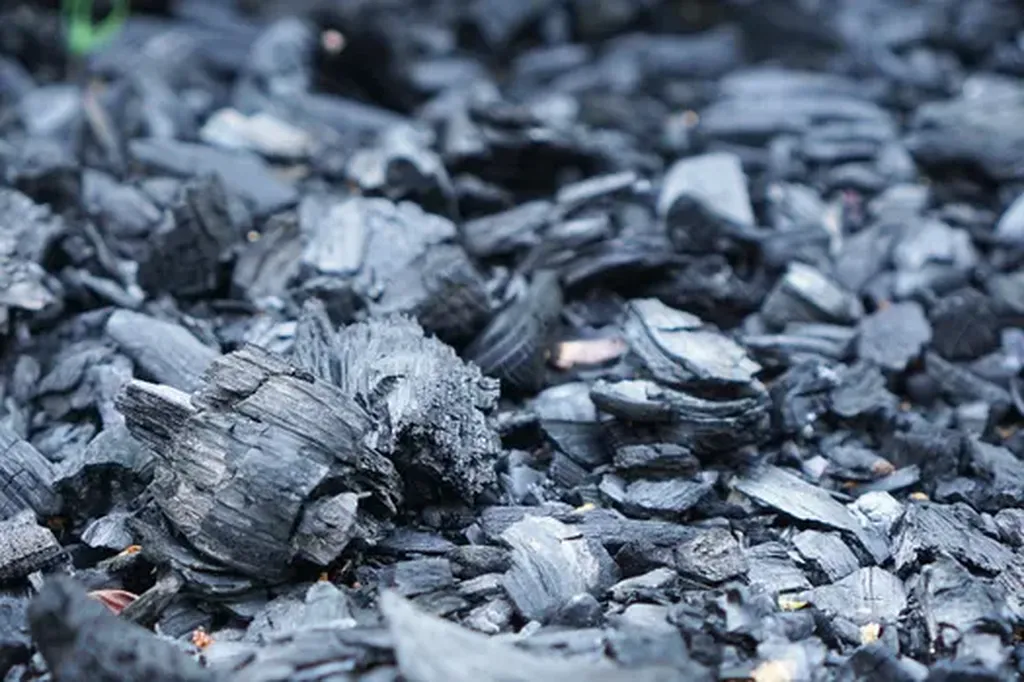
In the lush wetlands of tropical and subtropical regions, an unlikely hero is emerging from the murky depths—one that could help turn an ecological nuisance into a commercial asset. Invasive aquatic plants like water hyacinth, water lettuce, and duckweed, often dismissed as mere weeds, are now being reimagined as feedstock for biochar production through slow pyrolysis. A groundbreaking study led by Meenakshi Verma at the Symbiosis Centre for Waste Resource Management, published in *Sustainable Environment Research*, offers a compelling case for transforming these problematic plants into high-value carbon materials, with implications for energy, waste management, and climate mitigation.
The research delves into the slow pyrolysis of these macrophytes—plants that thrive in freshwater ecosystems—to produce biochar, a porous, carbon-rich material with diverse applications. Unlike terrestrial biomass, which has been extensively studied for biochar production, aquatic plants have remained largely overlooked. Verma and her team set out to change that by systematically analyzing how process conditions like temperature and residence time influence the yield, properties, and surface morphology of biochar derived from water hyacinth (*Pontederia crassipes*), water lettuce (*Pistia sp.*), and duckweed (*Lemna sp.*).
The findings reveal a surprising potential. Under optimal conditions—700°C with a one-hour residence time—duckweed biochar achieved a surface area of 316.3 m² g⁻¹, while water hyacinth biochar reached 344.9 m² g⁻¹. These are among the highest surface areas reported for biochar derived from non-activated aquatic feedstocks, a metric that directly correlates with its effectiveness in applications like adsorption, soil amendment, and energy storage. Verma notes, “The critical influence of slow pyrolysis conditions on aquatic feedstock underscores the need for tailored approaches in biochar production. These plants, often seen as waste, can be transformed into materials with significant commercial value.”
The study also highlights stark differences in biochar properties based on the parent feedstock, despite their shared aquatic origins. Water lettuce, despite being a major invasive species, has received comparatively little scientific attention—until now. This research provides one of the first in-depth analyses of its biochar, bridging a critical knowledge gap and opening doors for its valorization.
For the energy sector, these findings could be transformative. Biochar’s high surface area and porous structure make it an ideal candidate for applications in energy storage, catalysis, and even as a soil enhancer that could improve agricultural productivity. By converting invasive macrophytes into biochar, industries could tap into a sustainable, low-cost feedstock while addressing pressing ecological challenges. The circular economy implications are clear: waste biomass becomes a resource, reducing landfill pressures and offering a renewable alternative to fossil-based carbon materials.
As the world seeks solutions for waste management and climate change, this research suggests that the answer might lie in the very plants we’ve long struggled to control. The work by Verma and her team doesn’t just unlock the functional potential of underutilized macrophytes—it redefines how we perceive and utilize biomass waste. In the words of the researchers, it’s a step toward a more sustainable, resource-efficient future.
Published in *Sustainable Environment Research* (研究成果发表于《可持续环境研究》), this study could well be a catalyst for future innovations in biochar production and beyond.