
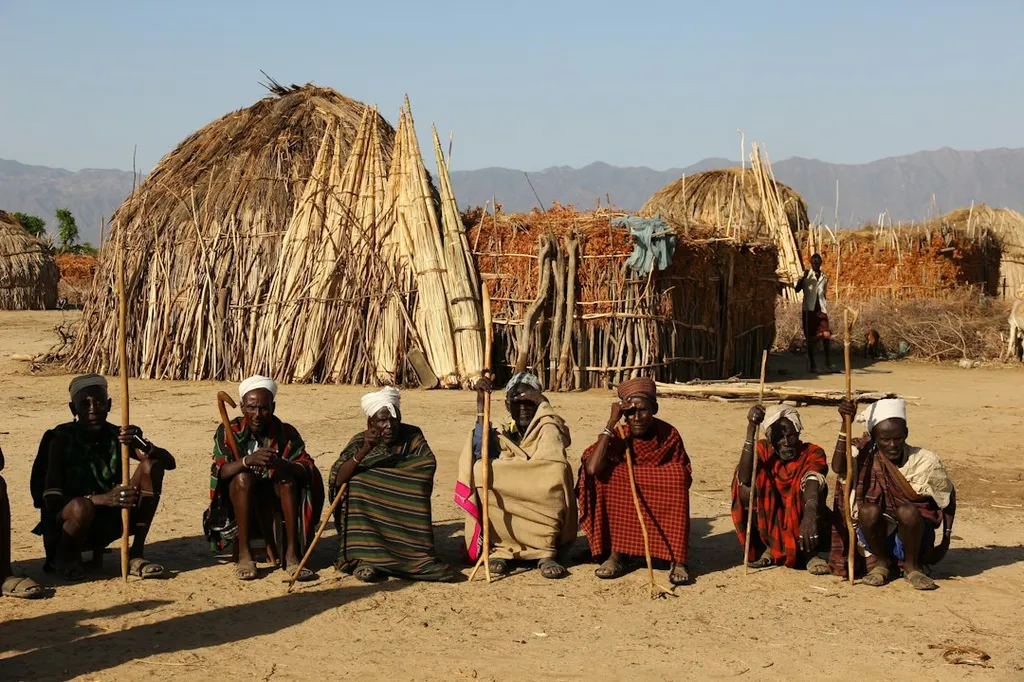
Abrhaley Gebrehiwot, a researcher at the College of Dryland Agriculture and Natural Resources in Ethiopia, has uncovered how drought conditions are reshaping the way smallholder farmers adopt sustainable farming technologies. His study, published in *Discover Sustainability*, reveals that farmers are not just reacting to water scarcity—they are strategically shifting their choices based on risk.
Gebrehiwot’s research, which analyzed two decades of rainfall data alongside farmer decisions, found that drought exposure significantly alters technology adoption patterns. Farmers facing drought were less likely to use high-risk inputs like inorganic fertilizer, opting instead for risk-reducing methods such as manure application and irrigation. “The data shows that farmers are making calculated decisions,” Gebrehiwot explains. “When drought strikes, they prioritize stability over high-yield but high-risk investments.”
This shift has broader implications beyond agriculture. For the energy sector, the findings suggest a growing demand for irrigation technologies in drought-prone regions—an opportunity for businesses specializing in water-efficient solutions. Solar-powered irrigation, for instance, could see increased adoption as farmers seek resilient alternatives. The study also highlights the interconnectedness of sustainable technologies, with farmers often adopting multiple methods simultaneously, reinforcing a holistic approach to resilience.
As climate variability intensifies, Gebrehiwot’s work underscores the need for adaptive strategies in both farming and energy infrastructure. The research doesn’t just explain current trends—it signals where future investments and innovations should focus to support vulnerable communities.