
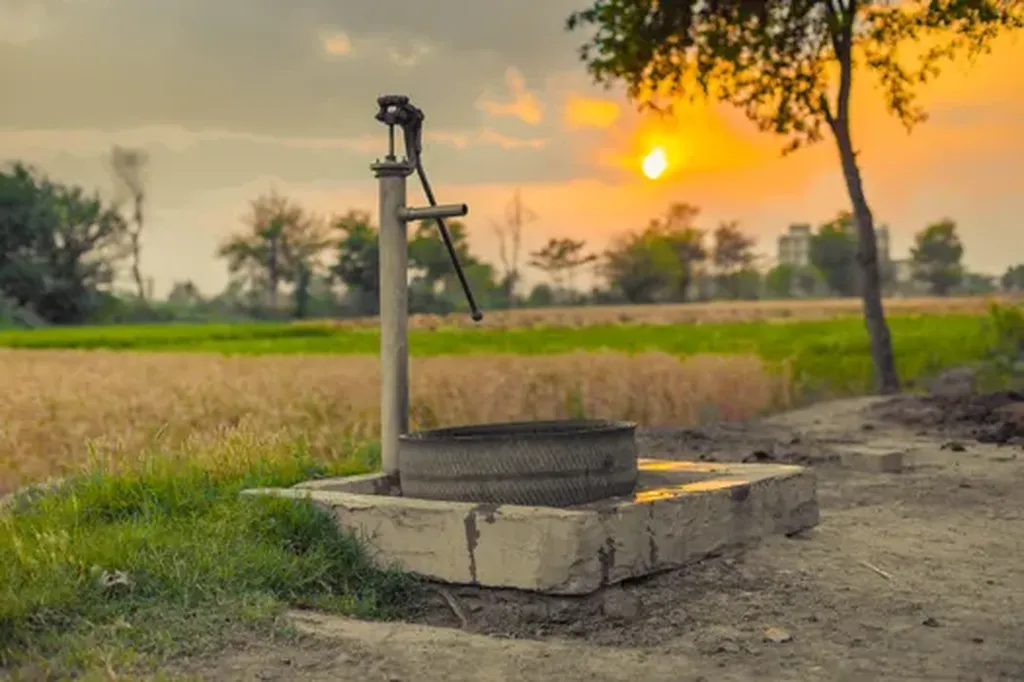
Groundwater is the silent engine beneath Louisiana’s farmland, powering crops that feed millions. But as farmers in the Mississippi River Alluvial Aquifer (MRAA) region tap this vital resource year after year, the aquifer is showing signs of strain—lowering water tables, driving up pumping costs, and threatening long-term sustainability. A new study led by Dependra Bhatta of the Louisiana Department of Health’s Behavioral and Primary Health Analytics unit offers fresh insight into how groundwater conservation isn’t just an environmental issue—it’s a bottom-line concern for farmers, energy providers, and policymakers alike.
Published in *Natural Resource Modeling* (translated as *Modélisation des Ressources Naturelles*), the research models what happens when farmers adopt groundwater-saving practices. Using advanced machine learning tools like boosted regression trees, Bhatta and his team predicted crop choices under various conservation scenarios—from 5% to 30% reduction in groundwater use over three years. Their findings suggest that even modest conservation can pay off.
“Our model shows that corn acreage is likely to expand in Louisiana,” Bhatta said. “That’s expected, but the surprising part is that when farmers reduce groundwater pumping by 30%, the cumulative profit for 2,572 farmers increases slightly by 0.14% over three years.” It’s a counterintuitive twist: using less water can actually boost net returns.
Why? Because less pumping means lower energy costs. Irrigation is energy-intensive, and as water tables drop, farmers must work harder—and spend more—to extract the same amount of water. Efficient irrigation technology, such as drip or precision sprinklers, can cut water use without reducing yields. The study emphasizes that financial incentives for farmers to adopt these technologies could help conserve groundwater while keeping energy demand—and costs—in check.
From an energy sector perspective, this research is a wake-up call. Louisiana’s agricultural sector is a major consumer of electricity, much of it used to pump groundwater. If aquifer levels continue to decline unchecked, energy providers may face rising infrastructure demands to support deeper wells and more powerful pumps. Conversely, widespread adoption of water-efficient practices could stabilize energy demand, reduce peak load pressures, and even lower carbon footprints associated with irrigation.
The implications go beyond Louisiana. Globally, aquifers underpin food security and energy systems. This study demonstrates how predictive modeling—combining machine learning with economic analysis—can guide smarter resource management. By understanding farmer behavior and the true cost of water extraction, policymakers can design targeted conservation programs that benefit both the environment and the economy.
For energy providers, utilities, and agricultural stakeholders, the message is clear: groundwater conservation isn’t just a sustainability goal—it’s a strategic investment in energy resilience.