
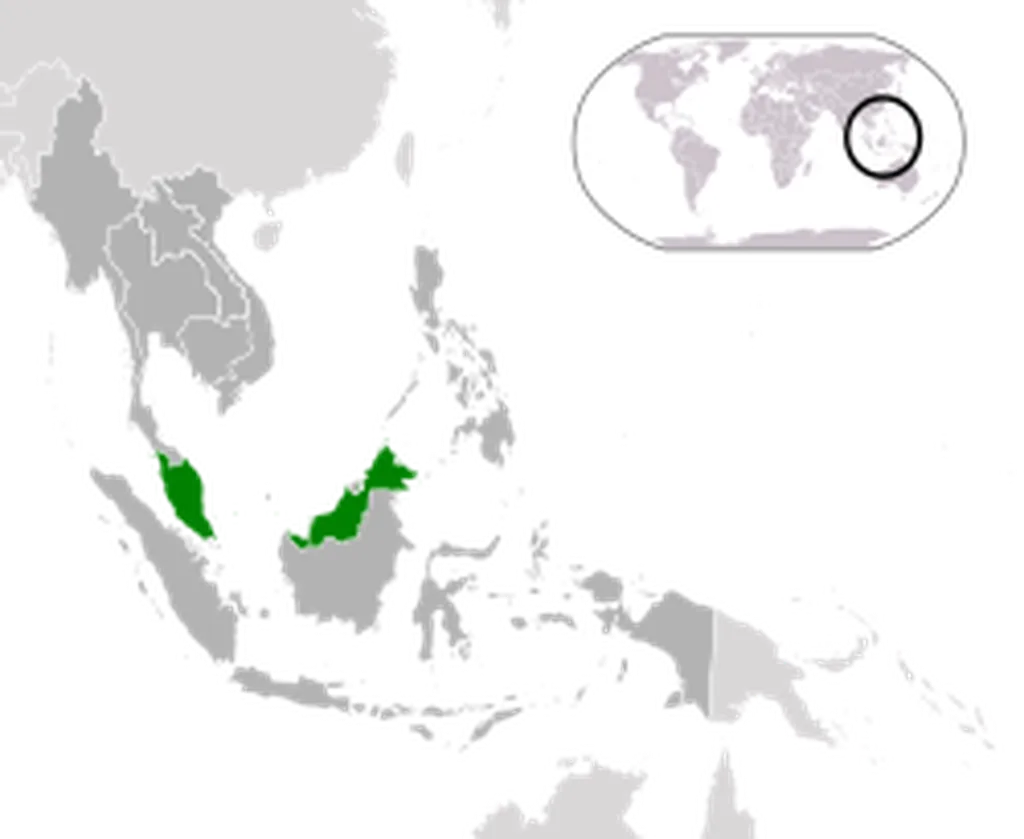
A 20-year study of Malaysia’s Bernam River Basin has revealed troubling patterns in water quality that could reshape how industries—especially energy producers—plan for sustainability and regulatory compliance.
Researchers led by Mohmadisa Hashim from Universiti Pendidikan Sultan Idris analyzed six critical water quality parameters—dissolved oxygen (DO), biochemical oxygen demand (BOD), chemical oxygen demand (COD), ammoniacal nitrogen (NH3-N), total suspended solids (TSS), and pH—using the Mann-Kendall test and Sen’s estimator of slope. Their findings, published in *Pollution* (Malay: *Pencemaran*), show that while dissolved oxygen and pH levels are rising, indicating slight improvement, levels of chemical oxygen demand and total suspended solids are declining, signaling growing pollution.
“This suggests that human activities—especially land clearing for agriculture and settlements—are placing increasing stress on the river system,” said Hashim. “The upstream basin is not just an ecological zone; it’s a lifeline for water supply to Selangor and Perak, and a critical cooling source for nearby power plants.”
The implications for the energy sector are significant. Thermal power stations rely on consistent water flow and quality for cooling and operational efficiency. Rising suspended solids and ammonia can clog intake systems, reduce heat exchange efficiency, and trigger costly maintenance. Meanwhile, fluctuating pH and dissolved oxygen levels may signal shifts in microbial activity, potentially increasing biofouling in cooling circuits.
“Industries operating near river basins must now integrate real-time water quality monitoring into their environmental management systems,” Hashim added. “Regulatory agencies are likely to tighten discharge limits, and proactive adaptation could prevent future penalties or shutdowns.”
With rapid land-use change in the Bernam basin—where forests have been replaced by palm oil plantations and industrial zones—the study underscores the need for integrated watershed management. The findings suggest that water quality trends are not just environmental indicators but commercial barometers for energy and industrial stakeholders.
As Malaysia pushes toward sustainable development goals, this research offers a data-driven foundation for policymakers and industry leaders to align economic growth with ecological resilience. The study, published in *Pollution*, signals a new chapter in water stewardship—one where data precedes action, and long-term planning begins upstream.