
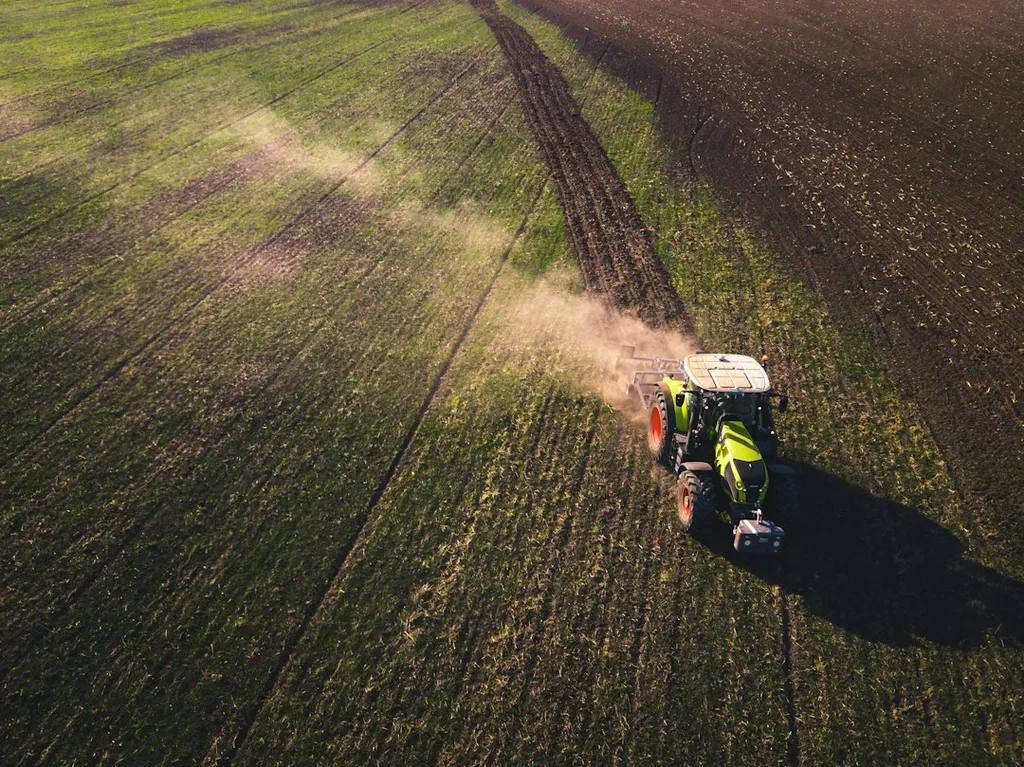
The push for higher yields and lower costs in agribusiness is driving a quiet revolution, and it’s happening in the fields—not just in the boardroom. A new study by V. Bondarenko, published in *Economics and Business Management* (Економіка і управління бізнесом), reveals how advanced technologies are reshaping marketing strategies in agriculture, with measurable gains that could inspire similar shifts in energy-intensive sectors.
The research highlights a shift from broad-spectrum farming to precision agriculture, where data-driven decisions are cutting costs and boosting efficiency. “We’re seeing fertilisers applied with surgical precision, not blanket coverage,” Bondarenko notes. The numbers back this up: precision farming has slashed fertiliser use by 10-15%, while drip irrigation has reduced water consumption by 30-50%. For an industry often criticised for its environmental footprint, these aren’t just efficiency gains—they’re sustainability milestones.
The commercial implications are stark. Take Myronivsky Hliboproduct, a major Ukrainian agribusiness, which saw its 2023 revenue surge to $1.8 billion, with 60% of that coming from exports. The company’s embrace of precision tools didn’t just improve margins; it redefined its market position. “Digital transformation isn’t a luxury—it’s a survival strategy,” Bondarenko argues. “Those who lag behind risk being outpaced by competitors who can do more with less.”
Digital platforms like Kernel’s *Open Agribusiness* and Astarta-Kyiv’s *Agrichain* are also rewriting the rules of agribusiness operations. By automating supply chain management and sales processes, these tools are reducing overheads and freeing up resources for strategic growth. “We’re not just selling grain anymore; we’re selling transparency and trust,” one industry executive involved in the study remarked. The result? Faster decision-making, tighter cost control, and a clearer path to profitability.
For sectors like energy—where resource efficiency and cost management are perennial challenges—these findings offer a compelling blueprint. If agriculture can leverage technology to optimise inputs and streamline operations, could similar innovations reshape how energy companies forecast demand, personalise services, or even manage grid distribution? The parallels are hard to ignore.
What’s clear is that the future of agribusiness—and by extension, other resource-dependent industries—will belong to those who can harness data, automation, and AI not just as tools, but as core strategies. Bondarenko’s work suggests that the next wave of competitive advantage won’t come from doing things better, but from doing them smarter. And in a world where margins are tight and scrutiny is high, that’s a lesson worth exporting.