
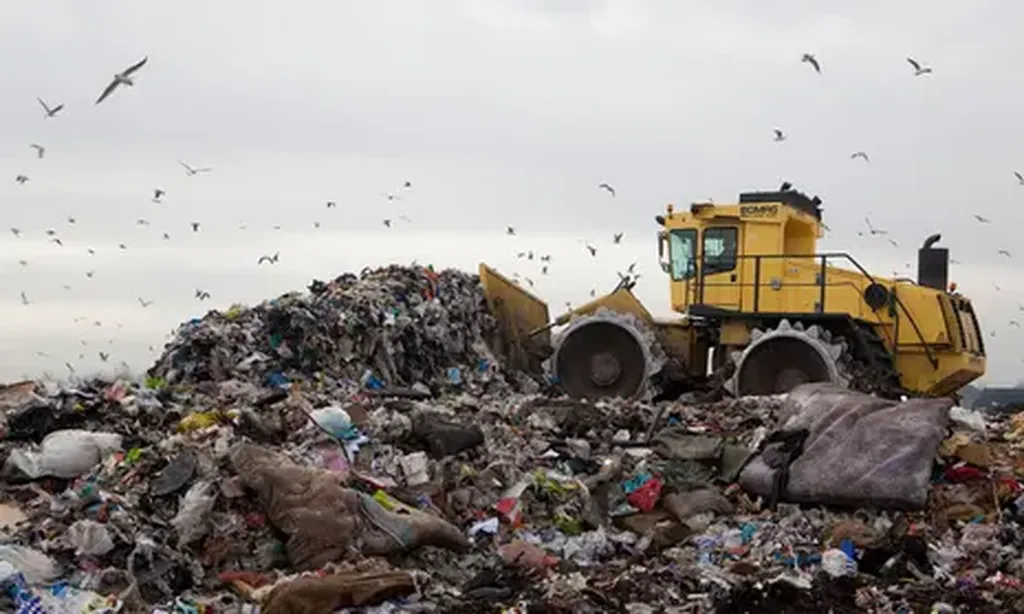
Food waste isn’t just a kitchen problem—it’s a global inefficiency that drains water, energy, and land while accelerating climate change. Nearly 1.3 billion tons of food are lost or wasted each year, a staggering figure that underscores the urgency of rethinking waste management. But what if we could turn this problem into an opportunity? That’s the core question driving new research by Manish Kumar Dubey, a biotechnologist at the University of Chandigarh’s Department of Biotechnology, whose recent review in *Discover Environment* explores microbial upcycling as a sustainable solution.
Dubey and his team argue that food waste (FW) isn’t merely trash—it’s a resource in disguise. “The upcycling of food waste through microbial processes can transform a waste stream into high-value products while simultaneously addressing climate change and resource inefficiency,” he explains. This isn’t just about reducing landfill emissions; it’s about creating a circular economy where waste becomes the raw material for energy, fertilizers, and even bioplastics.
The science behind this transformation hinges on biology. Unlike chemical or thermal methods, microbial upcycling uses living organisms—bacteria, fungi, and enzymes—to break down complex organic matter into valuable compounds. Processes like anaerobic digestion convert food scraps into biogas, a renewable energy source that can power homes and industries. Meanwhile, fermentation and microbial enzyme systems can extract organic acids used in plastics, solvents, and food preservatives. Even soil health benefits, as compost and biofertilizers derived from upcycled waste enhance agricultural productivity.
The energy sector stands to gain significantly from these innovations. Biogas, for instance, offers a decentralized energy solution, particularly in rural or off-grid communities where food waste is abundant but infrastructure is limited. “Integrated biorefineries that combine multiple microbial processes could unlock scalable biofuel production while reducing reliance on fossil fuels,” Dubey notes. This aligns with global decarbonization goals, offering a low-carbon alternative to conventional energy sources.
Yet challenges remain. Food waste is a heterogeneous mix—uneven in composition, moisture, and contaminants—which complicates processing. High capital costs for biorefineries and water management in microbial systems also pose hurdles. Still, advances in metabolic engineering and life-cycle assessments are improving efficiency, making these technologies more viable.
As Dubey’s research suggests, the future of waste management may lie in microbial ingenuity. By harnessing the power of microbes, we could not only reduce environmental harm but also create economic value from what was once considered refuse. Published in *Discover Environment* (translated from *Obozrenie Ekologii*), this work isn’t just academic—it’s a blueprint for a more sustainable, resource-efficient world. The question now is whether industry and policymakers will seize the opportunity to turn food waste into a cornerstone of the green economy.