
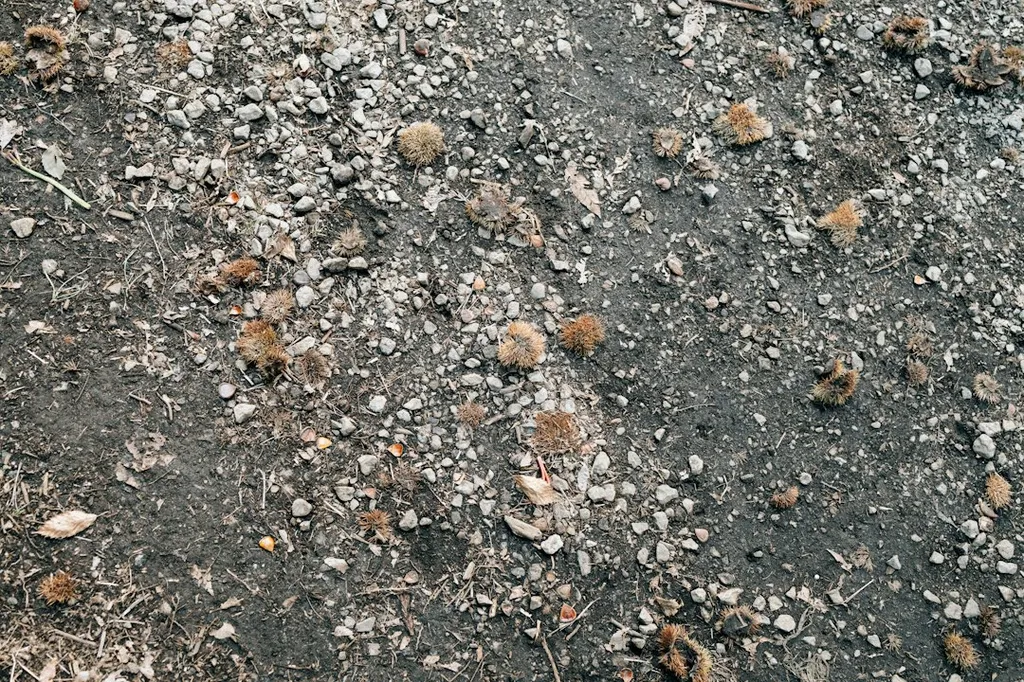
In the rolling hills of Northern Portugal, where chestnut trees dot the landscape, researchers are turning an overlooked agricultural byproduct into a potential game-changer for wastewater treatment. Juliana Vieira, a researcher at Bragança Polytechnic University, has led a study exploring how chestnut shells—often discarded after harvest—could be repurposed as a natural coagulant to remove color from textile wastewater. The findings, published in *Clean Technologies* (Tecnologias Limpas), offer a glimpse into a more sustainable approach to industrial effluent remediation, one that aligns with broader environmental and economic goals.
The study focused on extracting tannins from chestnut shells (*Castanea sativa*) and modifying them using the Mannich reaction to enhance their coagulating properties. Researchers then tested how well these modified tannins could remove methylene blue—a common dye used in textiles—from synthetic wastewater. While the results were modest—achieving between 20% and 26% color removal under the tested conditions—they underscore a critical point: even incremental improvements in natural coagulants can pave the way for scalable, low-cost solutions in wastewater treatment.
Vieira noted that increasing the coagulant dosage improved decolorization, likely due to a mechanism called polymeric bridging, where the coagulant molecules link together to trap and remove dye particles. “This isn’t about achieving perfection in a single study,” she said. “It’s about proving that agricultural waste can be part of the solution, especially in regions where textile industries are prominent.”
The research also highlights a practical application of regional industrial integration. In Northern Portugal, where chestnut production is a significant agricultural activity, upcycling shells into coagulants could create a circular economy—reducing waste while supporting local industries. This approach aligns with the United Nations Sustainable Development Goals, particularly SDG 6 (clean water and sanitation), SDG 9 (industry, innovation, and infrastructure), and SDG 12 (responsible consumption and production).
For the energy sector, the implications are worth considering. Wastewater treatment is an energy-intensive process, and finding low-cost, renewable coagulants could reduce operational expenses while lowering the carbon footprint of industrial operations. If scaled, this method could complement existing treatment systems, particularly in regions with high textile industry activity, where water pollution is a pressing concern.
The study’s use of a Box–Behnken Design—a statistical method for optimizing processes—also suggests that further refinement could yield better results. While the quadratic model in this experiment wasn’t statistically significant, Vieira’s team views the findings as exploratory, opening doors for future research into optimizing extraction parameters and coagulant performance.
As industries worldwide seek sustainable alternatives to traditional chemicals, this research serves as a reminder that innovation doesn’t always require cutting-edge technology—sometimes, it’s about reimagining what we discard. The next steps may involve testing these coagulants on real textile effluents or scaling up production to assess commercial viability. But for now, the chestnut shell stands as a symbol of possibility: a humble material with the potential to clean up industrial waste.