
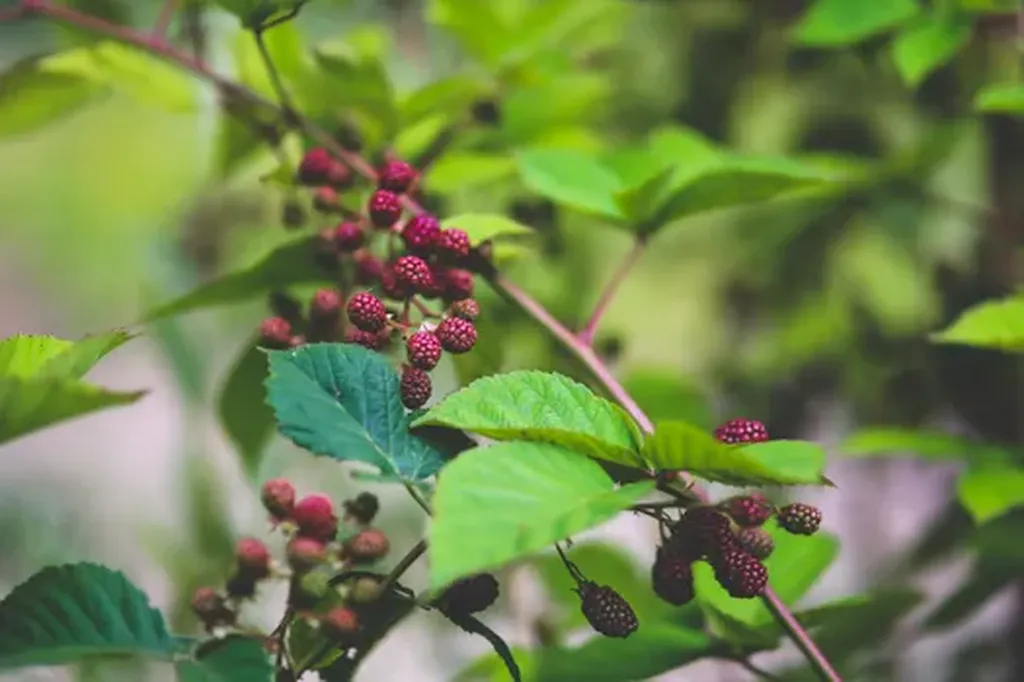
Researchers in Mexico have uncovered a promising method to extract value from blackberries that would otherwise go to waste, using a technique that could also resonate with energy-intensive industries looking for greener alternatives.
A team led by Cynthia Teresa Lara-García from the Biochemistry Engineering Department at the National Technological Institute of Mexico in Celaya applied high-power ultrasonic vibration to damaged blackberries—commonly discarded due to bruising or irregular size—to boost their nutritional and functional properties. The process, conducted at 20 kHz for up to 60 minutes, significantly enhanced the fruit’s bioactive profile, including a 12% increase in total soluble solids and a near doubling of antioxidant activity measured by ABTS and FRAP assays.
“This isn’t just about reducing waste,” Lara-García notes. “It’s about transforming what was once considered loss into a resource with real commercial potential—especially in food, nutraceutical, and even energy-related sectors.”
The study, published in *Recycling* (translated from Spanish: *Reciclaje*), found that ultrasound treatment increased soluble dietary fiber by over 11 grams per 100 grams of dry weight and phenolic compounds by nearly 240 mg GAE per 100 grams of fresh weight. Such compounds are highly sought after in functional foods and natural preservatives. However, anthocyanins—key pigments and antioxidants—declined with longer exposure, suggesting a need for precise control in processing.
For industries like water treatment or biorefining—where energy efficiency and waste valorization are critical—the findings offer a model for integrating green technologies. Ultrasonic extraction uses less solvent and operates at lower temperatures than conventional methods, cutting energy demand while enhancing yield. In a circular economy, such approaches could help food processors, biorefineries, and even wastewater treatment plants extract additional value from organic by-products.
“What we’re seeing here is a convergence of sustainability and efficiency,” Lara-García adds. “Ultrasound isn’t new, but applying it to agri-food waste with this level of precision—that’s where the innovation lies.”
As global pressure mounts to reduce food loss and carbon footprints, technologies that repurpose agricultural by-products without heavy energy inputs could become central to future industrial strategies. This study doesn’t just validate a method—it points toward a model where waste streams become resource streams, and energy use is optimized across sectors.