
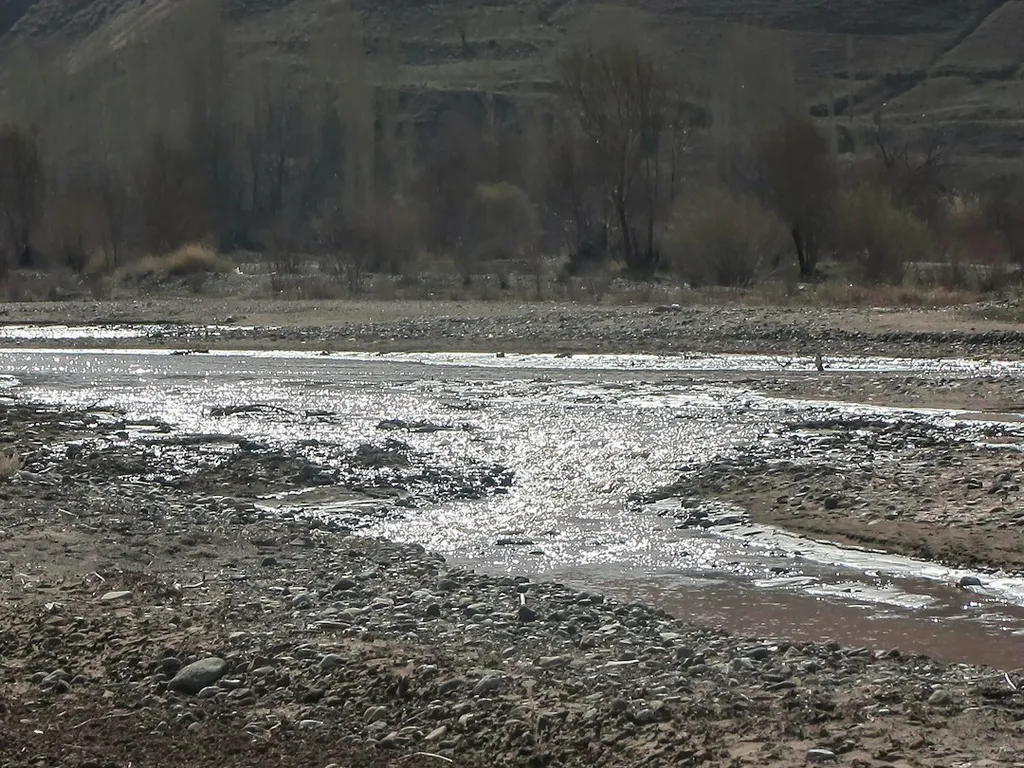
In the sun-baked plains of Kermanshah Province, Iran, where droughts have long threatened both livelihoods and food security, a quiet revolution is taking shape—not in the fields themselves, but in the data flowing through them. Researchers led by Hossein Shabanali Fami from the University of Tehran have uncovered how Internet of Things (IoT) technologies could transform agricultural water management, offering a lifeline in an era of increasing climate uncertainty.
The study, published in *Progress in Disaster Science* (formerly *Pazhouhesh-e Zamin-larzi va Modiriyat-e Sartarāz*), identifies three critical domains where IoT can make a measurable difference: water supply, distribution, and consumption. Through interviews with specialists and a review of global best practices, the team distilled the most promising applications—ranking them not just by innovation, but by practical impact.
At the top of the supply list is smart water resource management, which uses sensors and real-time data to optimize how water is sourced and stored. For distribution, the highest priority is precision measurement equipment—tools that ensure water reaches crops with minimal waste. And in consumption, smart irrigation systems lead the way, tailoring water use to the exact needs of each plant.
“These technologies aren’t just about efficiency—they’re about resilience,” Fami explains. “By integrating IoT into agricultural water systems, farmers can respond to drought not with guesswork, but with data-driven decisions.”
The commercial implications ripple far beyond the farm. For energy sectors reliant on water-intensive cooling systems or hydroelectric power, these findings suggest a model for smarter resource allocation. If agriculture can reduce its water footprint through precision tools, industries with competing demands may find new pathways to sustainability. The study stops short of prescribing a full implementation roadmap, but it signals a clear direction: pilot programs that test these high-priority IoT applications could unlock scalable solutions for drought-prone regions worldwide.
As climate pressures intensify, the question isn’t whether technology can help—it’s how quickly it can be adopted. And in Kermanshah, the answer may lie in the silent hum of sensors, quietly reshaping the future of water management.