
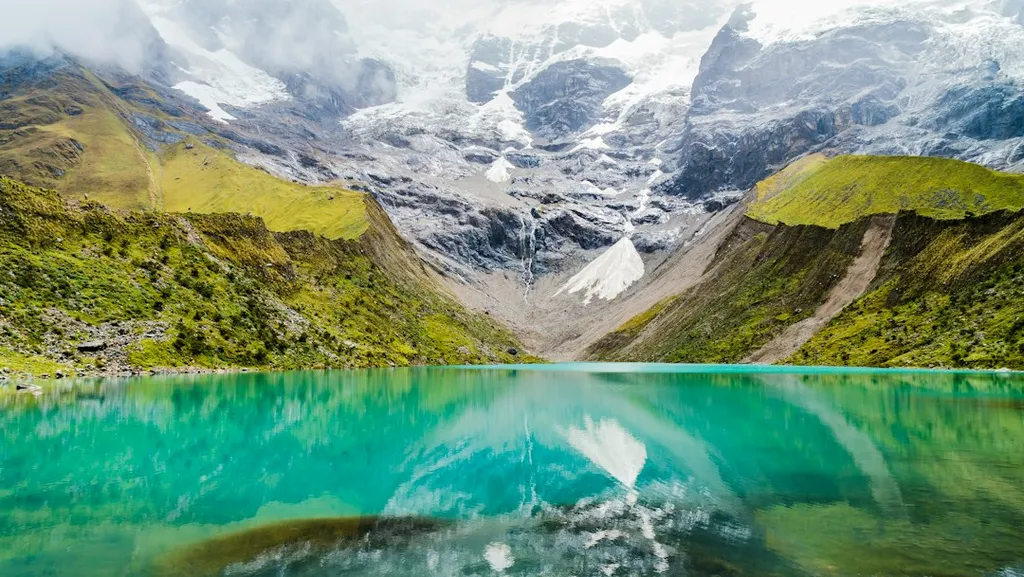
As glaciers retreat across the Andes, the Vilcanota-Urubamba river basin in Peru is becoming a living laboratory for how communities can adapt to a warming world. A new study published in *Earth’s Future* (published in Spanish as *Futuro de la Tierra*) by Clara Gimeno Jesús of Imperial College London suggests that reviving old water management techniques—like grassland restoration, small ponds, and artificial groundwater recharge—could buy critical time for water-dependent industries, including hydropower.
The research, based on hydrological modeling in one of Peru’s most glacier-dependent basins, finds that these small-scale, nature-based solutions can help smooth out seasonal water shortages. When managed carefully, grassland regeneration, for instance, can slow runoff and increase soil moisture retention, while small surface storage ponds can capture peak flows during wet seasons for use in drier months. Artificial recharge—redirecting water into underground aquifers—can also help stabilize baseflows, supporting both ecosystems and downstream users.
“These interventions aren’t a silver bullet,” says Gimeno Jesús, “but they can significantly reduce the pressure on centralized systems during transition periods when glaciers are shrinking and rainfall patterns are shifting.” That’s a critical insight for industries like hydropower, which relies on predictable river flows. In the Vilcanota-Urubamba, hydropower plants are already experiencing reduced output during dry seasons. The study suggests that a combination of small-scale measures and larger infrastructure could help maintain energy production while reducing the need for costly, rigid engineering solutions.
What makes this research particularly relevant is its focus on portfolios of interventions. Gimeno Jesús emphasizes that no single approach will suffice. “We need to think in layers—like a financial portfolio—where distributed, flexible measures complement large-scale infrastructure,” she explains. For energy companies operating in glacier-fed basins, this could mean investing in watershed restoration programs or partnering with local communities to maintain small storage systems, rather than solely relying on new dams or reservoirs.
The findings also highlight the importance of local knowledge and governance. Many of these practices—like the *qanats* or small *cochas* (ponds) used historically in the Andes—are rooted in Indigenous and traditional knowledge. Integrating them into modern water management could not only improve resilience but also support livelihoods in rural communities.
As climate change accelerates glacier loss, the energy sector faces growing pressure to adapt. This study suggests that the most effective—and cost-efficient—path forward may lie in blending old wisdom with new science.