
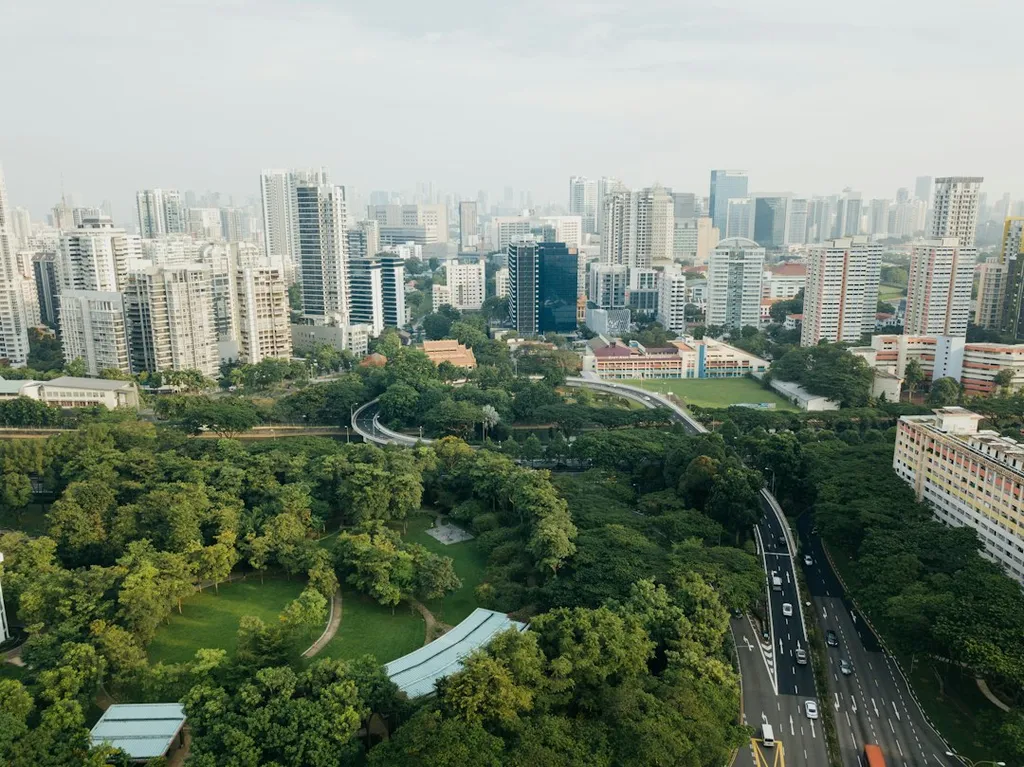
In the heart of Europe’s urban sprawl, where concrete and steel often overshadow nature’s touch, a quiet revolution is unfolding. Miklós Zsolt Szilvácsku, a researcher whose work bridges the gap between ecology and urban planning, is challenging the way we think about cities—not as static structures, but as living, breathing ecosystems. His latest research, published in the journal *4D* (the Hungarian term for “four-dimensional,” hinting at the dynamic interplay of space and time), argues that green infrastructure isn’t just about planting trees or building parks. It’s about weaving nature into the very fabric of urban life in a way that adapts, evolves, and delivers tangible benefits.
Szilvácsku’s work cuts to the core of three critical questions: *why* we invest in green infrastructure, *where* it should be implemented, and *how* it can be designed to thrive alongside human development. His findings suggest that green infrastructure is far more than decorative foliage—it’s a functional, adaptive system that can stabilize ecosystems, regulate urban climates, manage water, and even mitigate heat stress. “Green infrastructure elements are not static ‘green patches’ or ‘aesthetic additions,’” Szilvácsku explains. “They are evolving, dynamic systems that actively respond to environmental and social changes.”
For professionals in the energy sector, this research carries significant implications. Urban heat islands—areas where concrete and asphalt trap heat—force energy providers to ramp up cooling demands, straining grids and inflating costs. Green infrastructure, Szilvácsku argues, can act as a natural thermostat. Trees, green roofs, and permeable pavements reduce ambient temperatures, lowering the need for energy-intensive air conditioning. In cities where energy demand peaks during heatwaves, this could translate into measurable savings. Imagine a downtown district where strategically placed green corridors cut peak cooling loads by 10-15%. For utilities, that’s not just environmental stewardship—it’s a potential reduction in infrastructure strain and operational costs.
The research also underscores the importance of spatial organization. Not all green infrastructure delivers the same benefits in all locations. Wetlands excel at stormwater management, while urban forests are champions at carbon sequestration and air purification. Szilvácsku’s work suggests that a *system-level* approach—one that treats green infrastructure as a network rather than isolated patches—can amplify these benefits. “The continuous development of green infrastructure is grounded in the emergence of synergies between the built and natural environments,” he notes. This means planners and engineers must collaborate across disciplines, integrating ecology into urban design from the outset.
What does this mean for future projects? For energy companies eyeing sustainability targets, it signals an opportunity to partner with city planners to design infrastructure that cools, cleans, and conserves. For municipalities, it’s a call to rethink zoning and investment strategies—prioritizing green networks in areas where they deliver the highest return, whether in energy savings, public health, or climate resilience.
As cities worldwide grapple with climate adaptation, Szilvácsku’s research offers a roadmap—not just for greener landscapes, but for smarter, more resilient urban systems. And in a world where the line between nature and infrastructure is increasingly blurred, that’s a shift worth paying attention to. Published in *4D: The Journal of Spatial Dynamics*, the work challenges professionals to see green infrastructure not as an afterthought, but as a cornerstone of 21st-century urban design.