
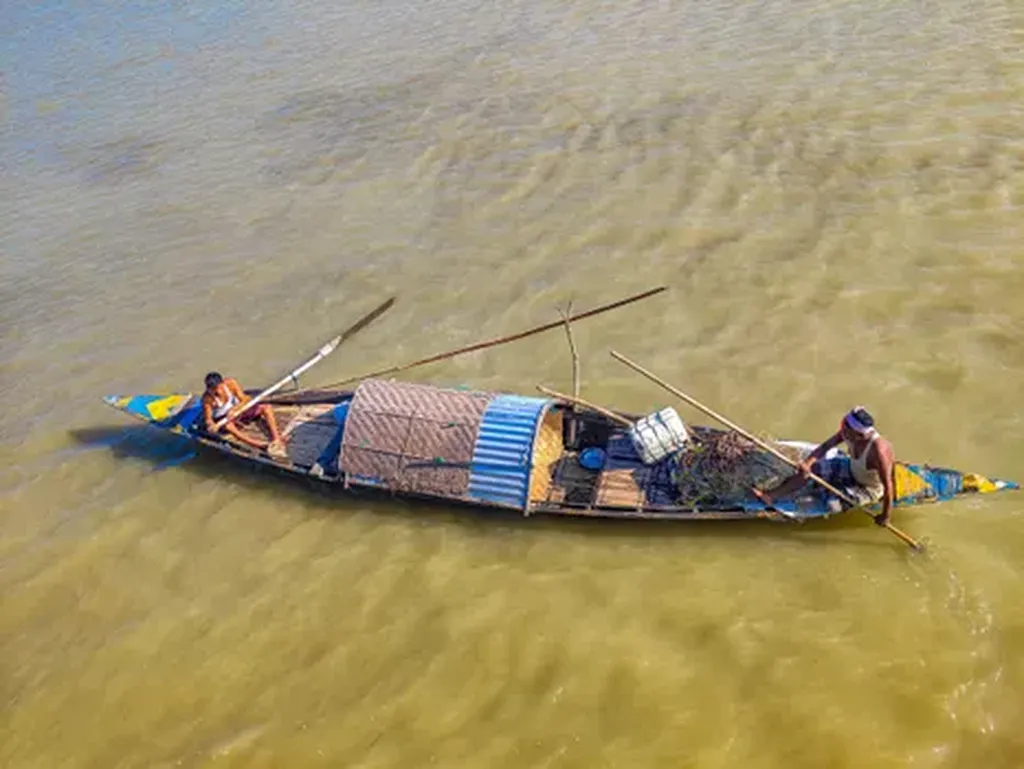
The Brahmaputra River basin, a sprawling network of rivers, wetlands, and glaciers spanning multiple countries, is a lifeline for millions. Yet its water resources face mounting pressure from climate change and escalating demand. A new study published in *Hydrology and Earth System Sciences* (Hydrologie und Erdsystemwissenschaften) introduces a groundbreaking approach to better understand and predict water storage dynamics in this critical region—one that could reshape how industries, particularly energy, plan for water security.
Led by L. Retegui-Schiettekatte of Aalborg University’s Geodesy Group in Denmark, the research employs a sophisticated technique called multi-variate daily terrestrial water storage (TWS) and surface soil moisture (SSM) sequential Data Assimilation (DA). This method integrates satellite observations into the World Wide Water Resources Assessment model (W3RA), refining how water storage—including groundwater, soil moisture, and glacier melt—is represented in hydrological models.
Traditional models often struggle with cross-variable influences, where changes in one water storage component (like soil moisture) inadvertently skew others (like groundwater). Retegui-Schiettekatte and the team addressed this by developing a model-space covariance localization approach, which effectively isolates these vertical interactions. The results speak for themselves: the new method improves the accuracy of TWS and groundwater estimates, increasing correlation with observed data by up to 0.54 points.
For the energy sector, which relies heavily on water for cooling, hydropower, and extraction processes, this precision matters. Misjudging water availability can lead to operational inefficiencies, regulatory risks, or even project delays. The study’s findings reveal a stark decline in land water storage—70.9 gigatons per decade between 2004 and 2015—half of which is attributed to glacier retreat. Such trends demand proactive adaptation in energy infrastructure planning.
“By integrating real-time satellite data with hydrological models, we’re not just improving predictions—we’re giving industries a clearer window into future water risks,” Retegui-Schiettekatte explains. The implications extend beyond the Brahmaputra, offering a template for water-stressed basins worldwide.
As climate patterns grow more erratic, tools like these could become indispensable. For energy companies, the message is clear: water is no longer just a resource to manage—it’s a variable to master.