
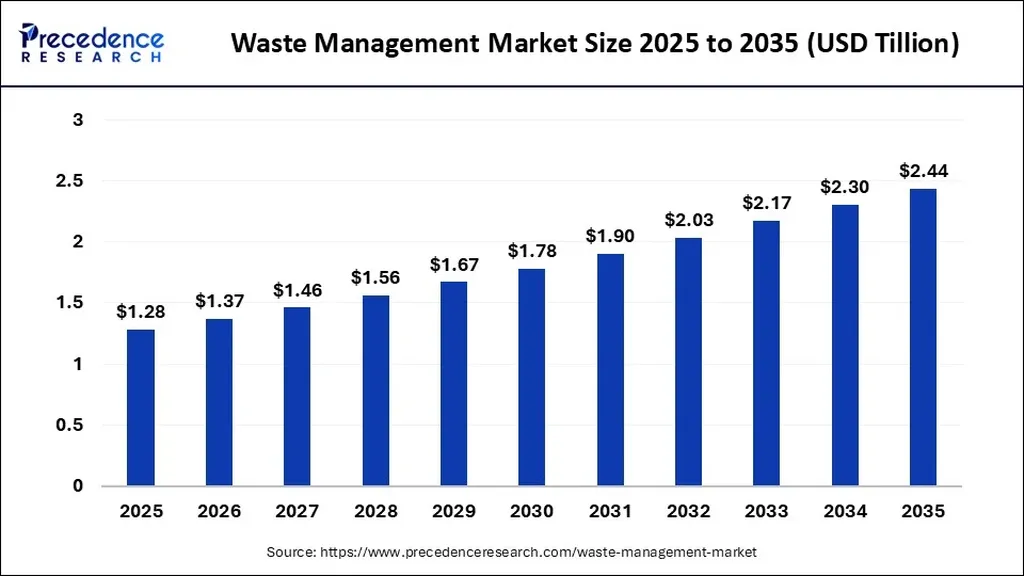
The waste management industry is undergoing a transformation driven by regulatory pressure, technological innovation, and shifting societal priorities—even as it grapples with rising costs. The sector’s growth trajectory, forecasted at a 6.2% compound annual growth rate through 2032, reflects both the urgency and opportunity in managing waste more effectively, particularly in emerging markets where industrialization and urbanization are accelerating waste generation. Mordor Intelligence highlights this expansion as a response to improved collection methods and the need to handle higher volumes of waste, a challenge that demands both scale and sophistication.
Industry operators are increasingly diversified in their waste handling, operating across industrial, commercial, domestic, and agricultural segments. The industrial waste category has surged in significance as manufacturing and infrastructure development intensify, creating demand for specialized disposal and treatment solutions. Within this framework, disposal services—especially those tied to recycling—remain the dominant revenue driver, underscoring a broader shift toward circular economy principles. As Grand View Research notes, “Waste management is not only a duty but also a chance for businesses to showcase their dedication to ESG values.”
The integration of ESG goals has become a defining force in the sector. Companies are leveraging responsible waste management not just to comply with regulations, but to enhance their sustainability credentials. The average ESG disclosure score in the industry hovers between 50-60%, signaling progress but also room for improvement. For operators like H2O America, Clean Harbors, and Concrete Pumping Holdings, ESG alignment is increasingly seen as a competitive advantage, aligning financial performance with stakeholder expectations for ethical and sustainable operations. “Embracing responsible waste management meets legal requirements and aligns with consumer and investor desires for sustainable and ethical business practices,” according to industry analysis.
Technology is the other catalyst reshaping the sector. AI-powered sorting systems, data analytics for route optimization, and automation in recycling facilities are reducing operational costs and environmental footprints. These innovations are critical in preventing recyclables from entering landfills and improving overall system efficiency. As the industry evolves, technology doesn’t just mitigate challenges—it redefines them, offering pathways to a more sustainable and responsible future. One industry leader remarked, “Advancing technology results in more effective, eco-friendly waste management, lowering the ecological footprint and promoting sustainability.” In this context, the sector’s trajectory isn’t just about managing waste—it’s about reimagining how waste can be a resource, not a burden.