
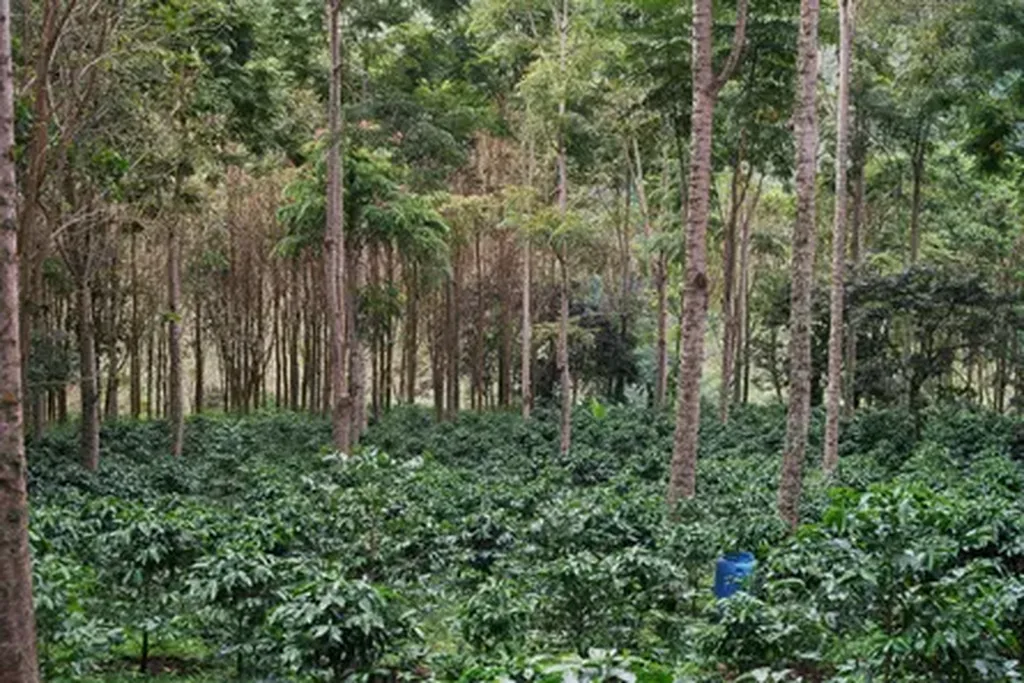
Ethiopia’s agricultural sector stands at a crossroads. Between 2010 and 2026, the country has grappled with a pressing dilemma: how to feed a growing population while protecting the very ecosystems that sustain farming itself. A new systematic review published in *Discover Environment*—led by Alebachew Destaw Belay of the University of Gondar’s College of Agriculture and Environmental Sciences—offers a comprehensive look at the trade-offs and opportunities shaping Ethiopia’s agricultural future.
The review, which synthesizes findings from 130 peer-reviewed studies and additional grey literature, paints a sobering picture of current practices. Agricultural expansion and conventional farming methods have driven widespread environmental harm: soil erosion, nutrient loss, deforestation, and inefficient water use are degrading the natural resource base that Ethiopian agriculture depends on. These trends threaten not only long-term food security but also the resilience of rural communities facing increasingly erratic rainfall and rising temperatures.
Yet the research also highlights pathways forward. Climate-Smart Agriculture (CSA), agroforestry, sustainable intensification, and improved water management emerge as key strategies to boost productivity while restoring ecological balance. “These approaches are not just about mitigating harm—they’re about rebuilding the foundation of Ethiopian agriculture,” Belay notes. “Soil health, water efficiency, and biodiversity are not luxuries; they’re prerequisites for sustainable growth.”
For the energy sector, the implications are significant. Sustainable agricultural practices often require new or upgraded infrastructure—drip irrigation systems, soil moisture sensors, renewable-powered water pumps, and energy-efficient processing facilities. These investments could open new markets for technology providers, engineering firms, and renewable energy developers, particularly in regions where off-grid solutions are critical. As Ethiopia seeks to expand irrigation to reduce dependency on erratic rains, the demand for water-efficient technologies could rise sharply—creating opportunities for both local enterprises and international partners.
But challenges remain. Weak institutional support, insecure land tenure, and limited extension services hinder adoption. Population pressure and climate risks further complicate the equation. Still, the review points to emerging opportunities: supportive national policies, indigenous knowledge systems, climate financing mechanisms, and digital innovations (such as mobile apps for farmers) could accelerate progress.
The findings, while grounded in rigorous analysis, come with caveats. The review was limited to English-language studies conducted in Ethiopia, and methodological differences across studies mean some conclusions should be interpreted cautiously. Still, the message is clear: Ethiopia’s agricultural future will be shaped not by choosing between productivity and sustainability, but by integrating both in ways that are context-specific and inclusive.
For investors, policymakers, and innovators in the energy and water sectors, this research signals a moment of opportunity. The transition to sustainable agriculture isn’t just an environmental imperative—it’s a commercial one. Those who act early to support resilient, low-carbon farming systems could find themselves at the forefront of a new wave of development in one of Africa’s most dynamic agricultural economies. Published in *Discover Environment* (የአካባቢ ምክር in Amharic), the study serves as both a warning and a roadmap—one that the energy sector would be wise to follow.