
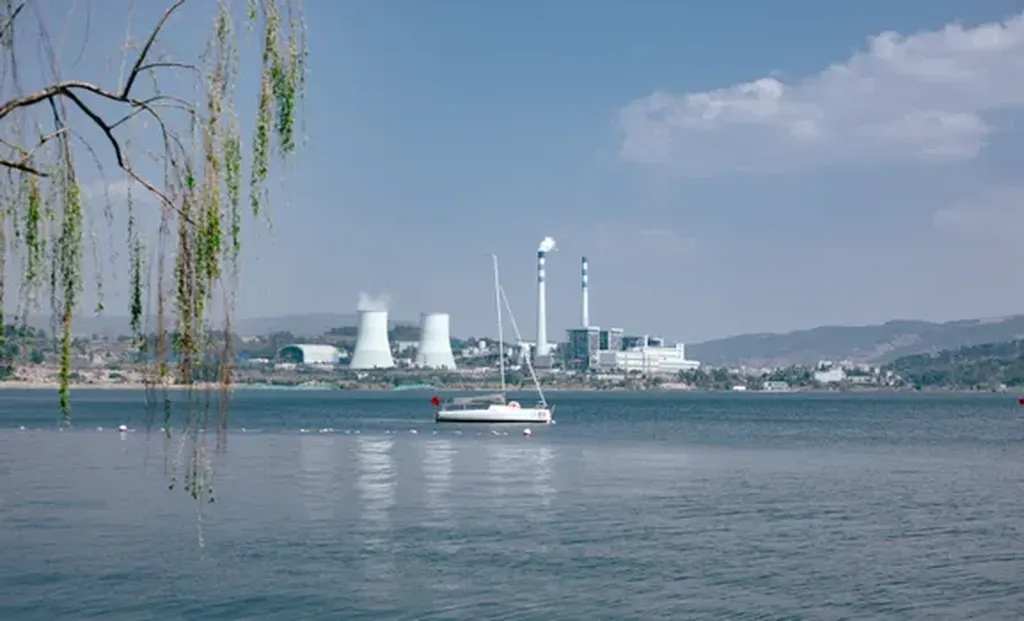
In the heart of Iran’s Markazi Province lies the Shazand Watershed, a region where the delicate balance between industrial progress and ecological preservation hangs in the balance. A recent study led by Seyed Hamidreza Sadeghi, a researcher in the Department of Watershed Engineering at Tarbiat Modares University, sheds light on the stark disparities in ecosystem conservation and sustainable use across this vital watershed. The findings, published in the *Journal of Integrated Watershed Management* (مدیریت جامع حوزههای آبخیز), not only highlight the challenges faced by the region but also underscore the urgent need for strategic interventions—particularly for industries like energy, which play a pivotal role in the watershed’s future.
The study assessed 19 ecosystem-related indicators tied to the United Nations’ Sustainable Development Goals (SDGs), revealing a troubling divide. While some indicators, such as mortality and missing persons due to natural disasters (100%) and disruptions in basic services caused by disasters (94%), scored high, others painted a grim picture. Productive and sustainable agricultural areas stood at just 1%, green cover in mountainous regions at 1.21%, and protected plant and animal areas at 11.90%. Sadeghi notes, “The spatial analysis shows that the central sub-watersheds are in a declining average condition, largely due to extensive industrial activities like refineries and petrochemical plants, as well as increased mining operations.” These industries, while driving economic growth, have left an indelible mark on the region’s ecosystems.
For the energy sector, the implications are clear. The Shazand Watershed is not just an ecological hotspot; it’s a microcosm of the broader tensions between development and sustainability. As industries expand, so too does the pressure on water resources, soil health, and biodiversity. The study suggests that without proactive measures, the region risks further degradation—a scenario that could disrupt operations, increase regulatory scrutiny, and even threaten social license to operate.
Yet, the research also offers a roadmap for reconciliation. By leveraging existing capabilities and directing investments toward sustainable agriculture and modernization, stakeholders can mitigate environmental harm while fostering economic resilience. Sadeghi emphasizes, “Recognizing and analyzing both human and natural capacities can serve as a foundation for critical development objectives.” For energy companies, this could translate into partnerships with local communities, adoption of cleaner technologies, and alignment with global sustainability frameworks.
The stakes are high, but the opportunities are equally compelling. The Shazand Watershed’s future hinges on a delicate equilibrium—one where industrial ambition and ecological stewardship coexist. As the study demonstrates, the path forward demands not just awareness but action, with every sector playing a role in shaping a sustainable legacy.