
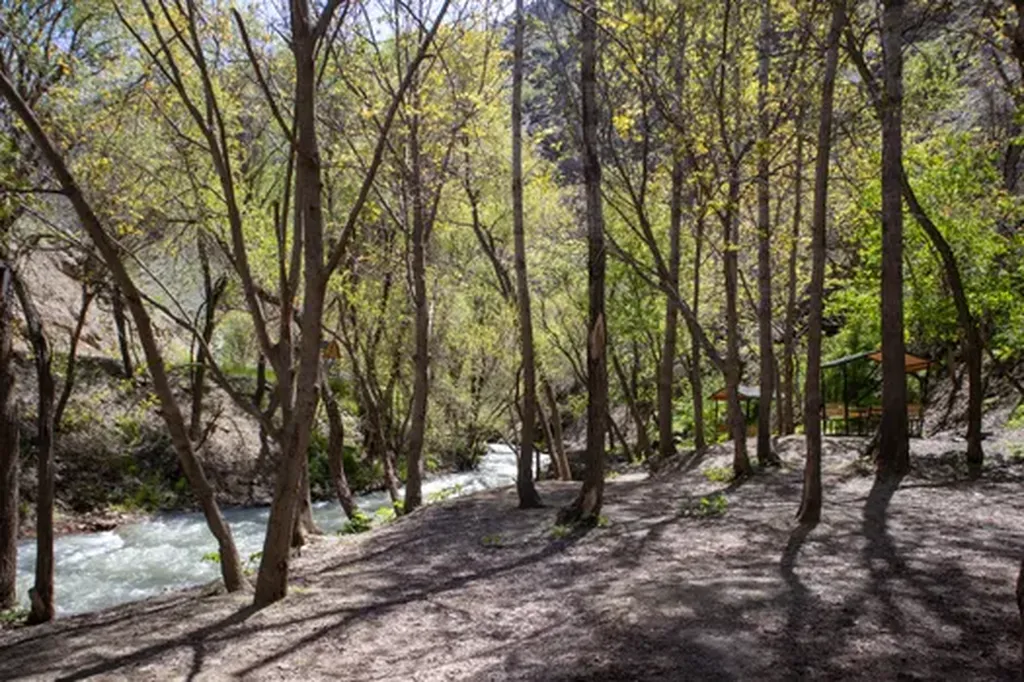
In the arid landscapes of Semnan Province, where the Zagros Mountains meet vast stretches of barren land, a quiet revolution is unfolding—one that could reshape how industries, urban planners, and environmental policymakers view the land beneath their feet. According to a new study by Fatemeh Mohammadyari, a researcher in the Department of Environmental Engineering at Shahrekord University, the province’s natural ecosystems are not just scenic backdrops but valuable assets capable of delivering tangible economic and social benefits, particularly in recreation.
The research, recently published in *Watershed Management Research* (the English translation of *مدیریت جامع حوزههای آبخیز*), integrates two powerful tools: the Analytic Hierarchy Process (AHP), a structured decision-making method, and the Recreation Opportunity Spectrum (ROS) model. Together, they offer a data-driven way to map where Semnan’s natural spaces—like forests, pastures, and water bodies—can best serve residents and visitors seeking leisure, relaxation, and connection with nature.
“Recreation isn’t just about tourism—it’s about human well-being,” Mohammadyari explains. “When we invest in understanding where these services are strongest, we’re not just protecting the environment; we’re unlocking opportunities for sustainable development.”
The study’s findings reveal a striking imbalance. While forests and pastures cover a relatively small portion of the province, they hold the highest potential for recreational ecosystem services. In contrast, urban and industrial zones occupy minimal space but are concentrated in the northern half of the province, where they increasingly conflict with natural areas offering high recreational value.
One of the most telling insights comes from the mapping of land use. Using Sentinel-2 satellite imagery and advanced classification algorithms, the team found that barren lands and rainfed agriculture dominate the landscape—together making up over 40% of the area. Water bodies, though limited, are critical nodes of attractiveness, drawing people to oases in an otherwise dry terrain. Yet, these same areas face growing pressure from development.
“This isn’t just an ecological concern—it’s a commercial one,” says Mohammadyari. “If industries and cities continue to expand without considering the recreational value of surrounding ecosystems, they risk eroding the very assets that could enhance quality of life and attract investment in eco-tourism.”
The implications for the energy sector are particularly noteworthy. Semnan is home to significant oil, gas, and renewable energy infrastructure. As energy companies look to expand operations or improve their social license to operate, integrating recreational ecosystem service mapping into land-use planning could help mitigate conflicts, enhance community relations, and even support employee well-being in remote operational sites.
For instance, placing new facilities near areas with high recreational potential—while ensuring access and preserving natural character—could allow energy firms to position themselves as stewards of the environment rather than disruptors. This kind of strategic foresight could be especially valuable in regions facing water stress or land degradation, where every hectare of preserved natural space carries disproportionate value.
The research also underscores a broader shift in environmental management: from viewing nature solely as a resource to be exploited, to recognizing it as infrastructure that delivers measurable benefits. By quantifying recreation potential, the study provides a blueprint for policymakers and businesses alike to prioritize conservation where it matters most—not just for biodiversity, but for people.
As Semnan grapples with rapid urbanization and industrial growth, Mohammadyari’s work offers more than data—it offers a vision. One where green spaces are not afterthoughts but central pillars of regional development, where recreation becomes a measurable economic driver, and where industries learn to coexist with the land in ways that benefit both balance sheets and well-being.
In a world racing toward sustainability, this kind of research doesn’t just map terrain—it maps the future.