
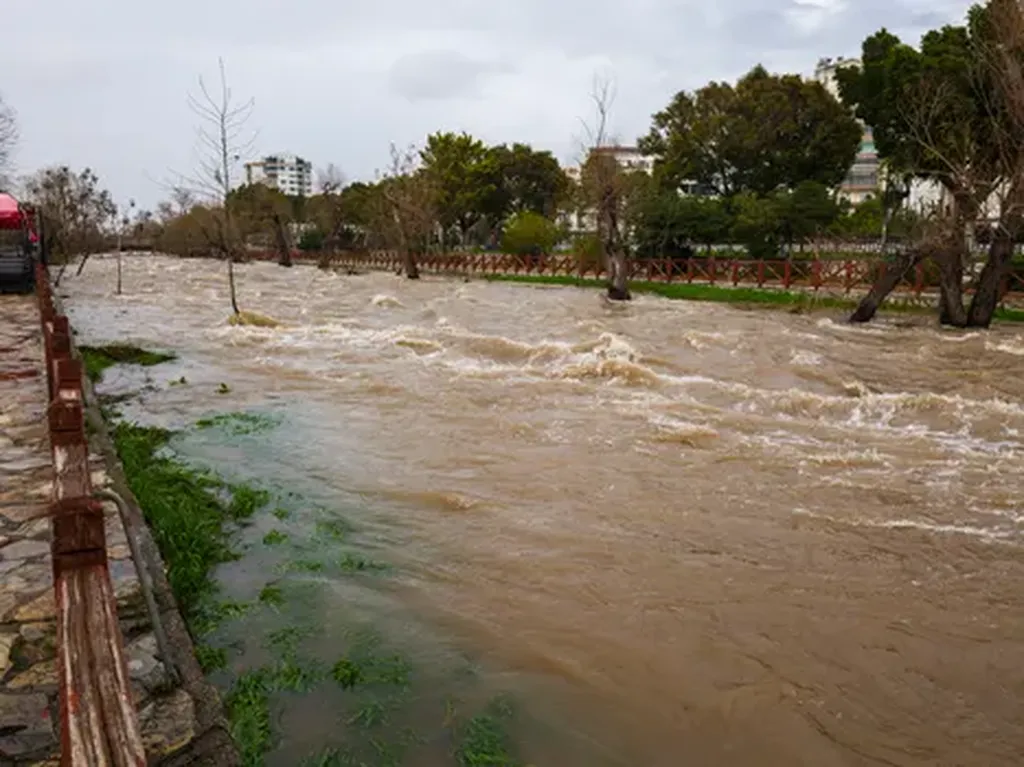
Climate change is tightening its grip on Mediterranean cities, where rising temperatures and erratic rainfall are making floods more frequent and destructive. In Málaga, Spain, a team of researchers led by Cristina Jaime-Segura of the Universidad de Málaga is turning to an ancient solution—one that could reshape how cities manage water and energy in the future. Their study, published in *Vitruvio: International Journal of Architectural Technology and Sustainability* (formerly *Revista Vitruvio*), explores how reviving the qanat—a 3,000-year-old Persian water system—could help restore urban streams while offering economic and environmental benefits.
Jaime-Segura and her team focused on the Merino stream, a semi-channelized waterway on the outskirts of Málaga that has long been neglected. Instead of relying solely on modern concrete drainage systems, they propose integrating the qanat’s underground water channels with riparian woodland restoration and constructed wetlands. The result? A nature-based solution that not only reduces flood risk but also enhances biodiversity and water quality.
“Historical water systems like the qanat were designed to work with nature, not against it,” Jaime-Segura explains. “By reviving these techniques, we can create resilient infrastructure that’s both cost-effective and sustainable.”
The commercial implications for the energy sector are particularly intriguing. Unlike energy-intensive flood-control methods such as pumping stations or large-scale drainage networks, the qanat system operates passively, requiring minimal maintenance. This could translate to lower operational costs for municipalities and utilities. Additionally, the integration of constructed wetlands and riparian buffers could reduce the need for costly water treatment, further cutting expenses.
For engineers and urban planners, the study suggests a shift toward hybrid solutions—combining ancient wisdom with modern innovation. If adopted, this approach could influence future flood-management projects not just in Spain, but in other Mediterranean cities facing similar challenges.
As climate pressures mount, the question isn’t just about controlling water—it’s about working *with* it. And in Málaga, an old idea might just be the key to a more resilient future.