
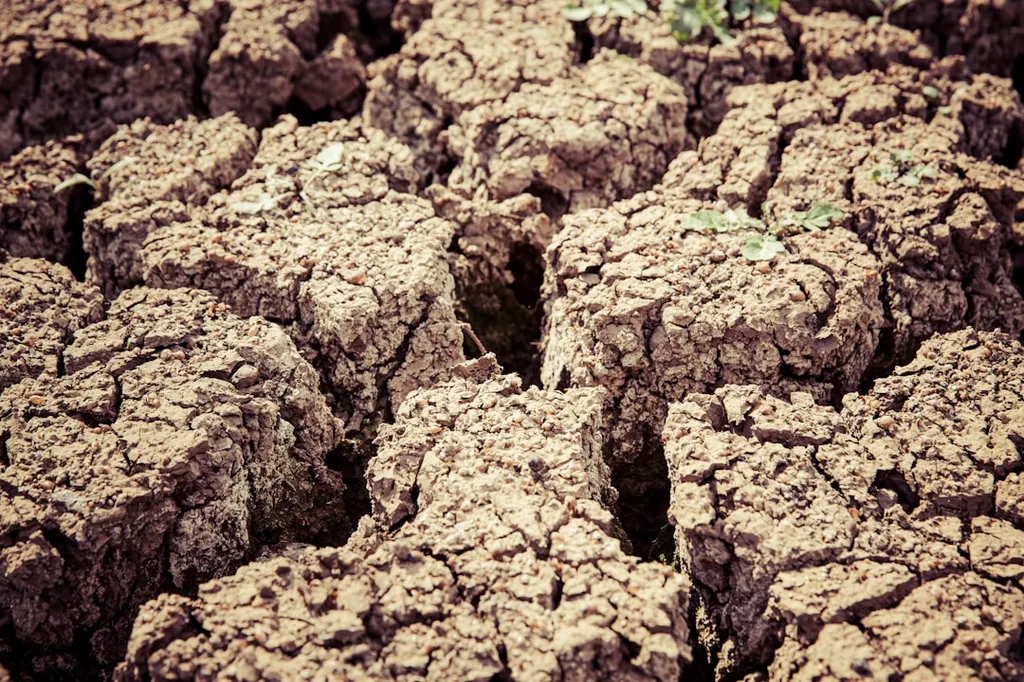
Soil isn’t just dirt—it’s a living, breathing foundation of life, yet it’s treated more like a silent backdrop than a critical player in public health and environmental sustainability. That’s the stark message from a new review in *Soil & Environmental Health* (published as《土壤与环境健康》in Chinese) by Peng Gao, a leading environmental health researcher at Harvard T.H. Chan School of Public Health.
Gao and his team argue that soil degradation is quietly driving massive economic and health costs globally—around $67 billion annually in the U.S. alone due to erosion-related impacts. Yet despite its central role in food production, water filtration, and climate regulation, soil health remains largely invisible in policy and monitoring systems. “We monitor air and water quality routinely, but soil? It’s still treated as an inert substrate,” Gao notes. “That’s like ignoring the engine while trying to understand why the car won’t start.”
The review highlights five key pathways where soil condition directly affects human health: contamination of the food chain, degradation of water quality, exposure to airborne dust, direct contact with pathogens, and the spread of antimicrobial resistance. While some links—like soil erosion’s role in nutrient loss or pesticide runoff into waterways—are well-documented, others, such as the soil-gut microbiome connection or how soil management influences antimicrobial resistance, remain understudied and largely inferential.
For industries like energy, this research isn’t just academic—it’s a call to rethink land use and soil stewardship as part of sustainability strategies. Oil and gas operations, renewable energy projects, and mining all interact with soil systems, often in ways that accelerate degradation. As companies face increasing pressure to meet ESG (Environmental, Social, and Governance) standards, soil health could emerge as a measurable, manageable metric—one that regulators and investors may soon demand.
The paper proposes a tiered framework for soil health monitoring, integrating advanced tools like multi-omics, remote sensing, and exposomics (the study of environmental exposures over a lifetime). It also calls for soil governance to rise to the level of air and water protection—a shift that could reshape land management policies and corporate accountability.
“Soil isn’t just a background player,” Gao emphasizes. “It’s infrastructure. And if we don’t start treating it that way, the costs—environmental, economic, and public health—will only grow.”