
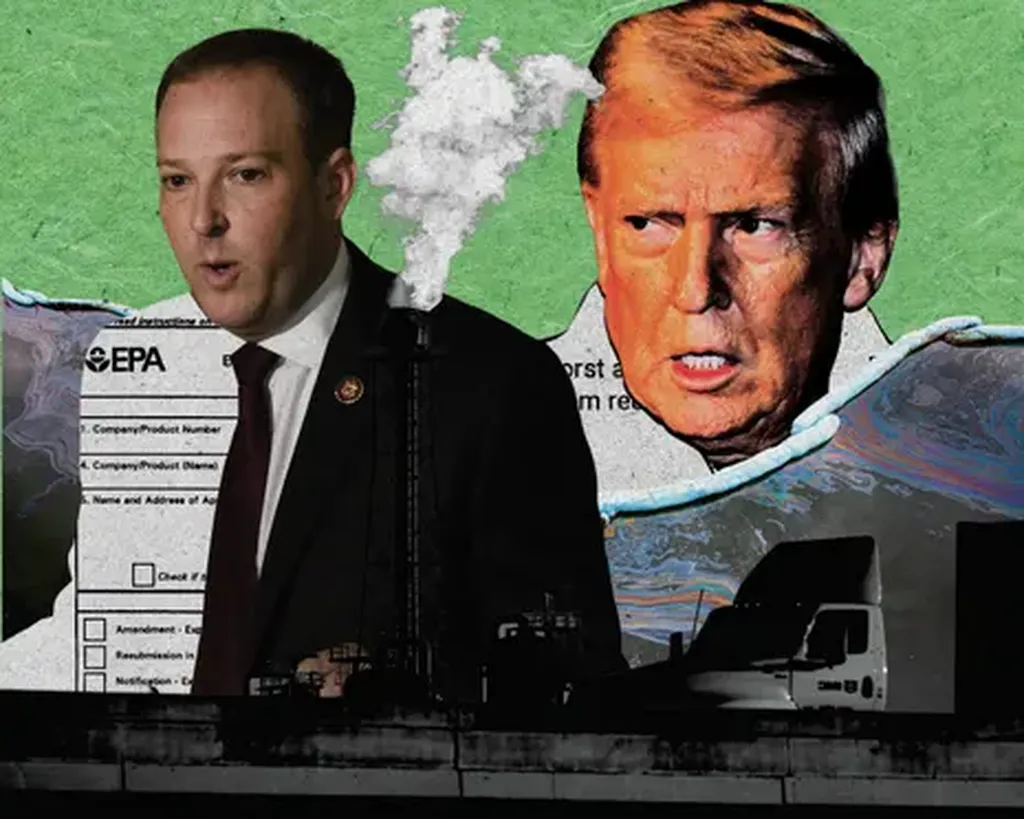
The U.S. EPA’s proposal to roll back Safe Drinking Water Act regulations for four PFAS compounds—PFHxS, PFNA, PFBS, and GenX—marks a significant shift in the agency’s approach to managing these so-called “forever chemicals.” The move follows months of criticism from the Trump administration, which has argued that the Biden-era regulations were rushed and lacked sufficient legal grounding. Administrator Lee Zeldin framed the decision as a necessary correction, emphasizing that enforceable standards must be both scientifically sound and practically implementable. “A drinking water standard only protects Americans if it can actually be implemented by the nation’s water systems and survive legal challenge,” the EPA stated in its proposal, signaling a broader commitment to regulatory rigor over expediency.
For water utilities, the proposed changes introduce a mixed set of incentives. While the rescission of limits for four PFAS types eases immediate compliance burdens, the EPA’s parallel proposal to delay enforcement for PFOA and PFOS until 2029—and potentially 2031 for eligible utilities—reflects a concession to operational realities. The agency acknowledges that some systems face prohibitive costs in upgrading infrastructure, training personnel, or deploying treatment technologies. Yet, the conditional nature of these extensions—limited to utilities that demonstrate legitimate implementation challenges—suggests a calculated balance between flexibility and accountability. The EPA’s assurance that systems unprepared for the 2029 deadline can still opt into the extended timeline without penalizing those already in compliance underscores the agency’s effort to avoid a one-size-fits-all approach.
The financial implications of these rules extend beyond compliance deadlines. The EPA’s $5 billion commitment to grants for small and disadvantaged communities—including $1 billion newly allocated—hints at a growing market for PFAS remediation technologies. Companies like Veolia North America, Cyclopure, and Desotec were highlighted at the announcement, their presence signaling industry alignment with the EPA’s strategic direction. The agency’s optimism about cost reductions in treatment innovation suggests it views this moment as an opportunity to foster competition and efficiency in the sector. “Continued federal investment, paired with a growing market for treatment technologies, is already driving costs down,” the EPA noted, framing the delay not just as a regulatory concession but as a catalyst for long-term progress.
Yet the policy’s reception among environmental advocates underscores the human stakes of these technical adjustments. Critics argue that rescinding enforceable limits undermines public health protections, particularly for communities already grappling with contamination. Betsy Southerland, former EPA water office director, called the move an unnecessary rollback that delays critical safeguards, while Ken Cook of the Environmental Working Group framed it as a capitulation to industry pressure. Their statements reflect a broader tension: between the EPA’s stated goal of regulatory stability and the perception that the changes prioritize economic convenience over environmental justice.
The EPA’s insistence that rescinding the rules does not pre-determine future regulation—“they might warrant strict standards, possibly even stricter than what was previously regulated”—leaves room for speculation about the agency’s long-term strategy. If finalized, the rescission could trigger a reevaluation process for these four PFAS, potentially leading to new, more stringent limits down the line. This procedural flexibility may reassure those concerned about hasty rulemaking, but it also introduces uncertainty for utilities and technology providers alike, who must navigate shifting regulatory sands.
The 60-day public comment period and July 7 hearing will test the durability of the EPA’s argument. For water utilities, the proposals offer temporary relief but also underscore the need for adaptive planning. For remediation firms, the delay may represent a chance to refine technologies and demonstrate their viability to skeptical stakeholders. And for communities living with contamination, the rules become more than a bureaucratic process—they are a litmus test for whether federal support can outpace industrial influence. The EPA’s next steps will determine whether this moment is a pragmatic reset or the first step toward weaker protections.