
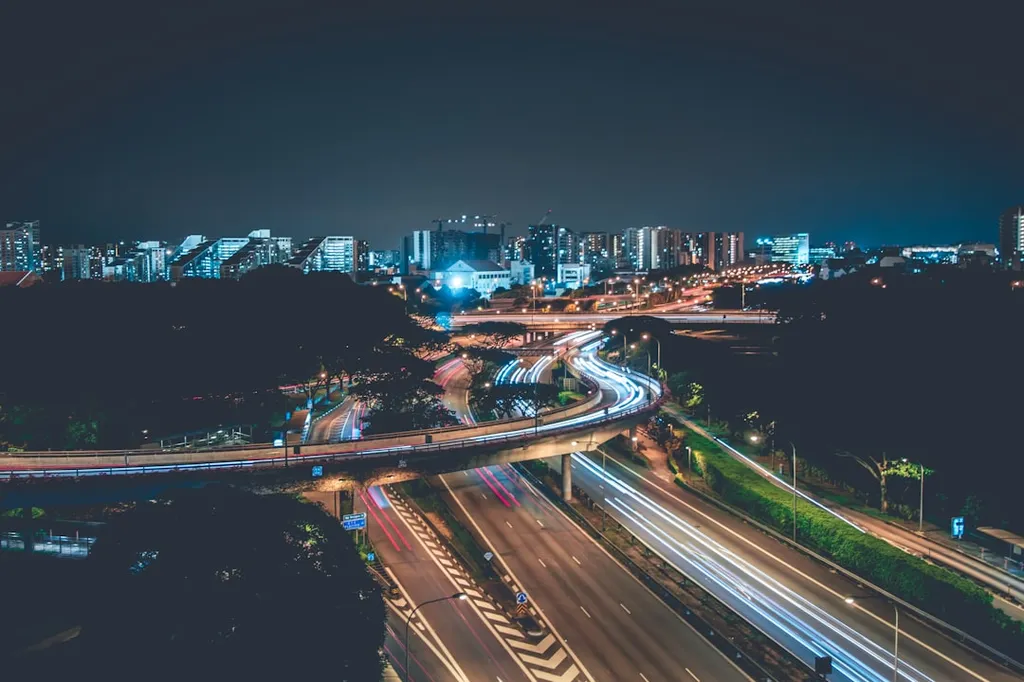
As cities sprawl and strain under the weight of aging infrastructure, the question isn’t just about keeping the lights on—it’s about reimagining the entire system. Yong Kwet Yew, a professor at the National University of Singapore, argues in the *IEM Journal* (translated from *Institution of Engineers Malaysia Journal*) that the future of urban living hinges on integration—not just of roads and pipes, but of data, transport, and energy networks working in unison.
Cities today are caught between two extremes: the relentless pace of technological change and the stubborn inertia of outdated infrastructure. “We can’t just bolt smart systems onto old frameworks,” Yew says. “The real challenge is designing cities where every component—from water pipelines to traffic sensors—communicates, adapts, and evolves together.” His research suggests that the most resilient cities will be those that treat infrastructure as a living system, not a static one.
The commercial implications for the energy sector are profound. An integrated city doesn’t just reduce inefficiencies—it creates entirely new opportunities. Imagine a metro system powered by renewable energy, where trains recharge via regenerative braking while feeding excess power back into the grid. Or a water network that uses AI to predict leaks before they happen, cutting waste and energy costs. These aren’t futuristic fantasies; they’re the next logical step in urban evolution.
Yet the path forward isn’t just technical—it’s political. Yew points out that underinvestment and policy gridlock have left many cities vulnerable. “A city that stops investing in its infrastructure is already in decline,” he warns. The energy sector, in particular, must recognize that its future isn’t just about generating power—it’s about integrating it into the broader urban ecosystem.
For engineers and policymakers, the message is clear: the future isn’t just smart cities—it’s *systemic* cities. And those who embrace that shift early will lead the next wave of innovation.