
In the rugged hills of southern Jordan, where water is as precious as the ancient copper mines that once thrived there, a quiet revolution is unfolding. The Feynan Ecolodge, a remote eco-tourism destination nestled within the Dana Biosphere Reserve, has become an unlikely proving ground for a model that could reshape how communities—and even industries—manage one of their most critical resources: wastewater.
The project, supported by Germany’s Federal Ministry for Economic Cooperation and Development and implemented in partnership with Jordan’s Ministry of Water and Irrigation and the Royal Society for the Conservation of Nature, is more than an environmental initiative—it’s a commercial case study with implications for energy, agriculture, and sustainable development across arid regions.
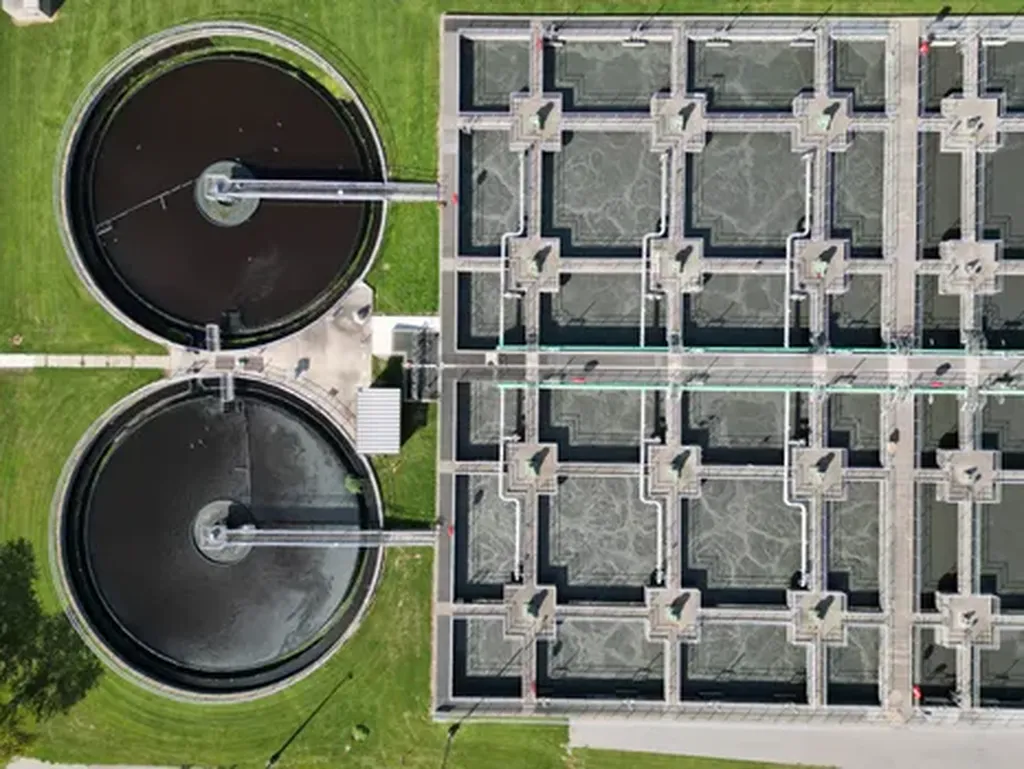
At its core, the Feynan Ecolodge’s decentralized wastewater treatment (DWWT) system is designed to be robust, flexible, and sustainable—qualities that resonate deeply in off-grid or water-scarce environments. Unlike large, centralized treatment plants that require extensive infrastructure and consistent power, this system treats wastewater on-site using proven, low-maintenance technology. The treated water isn’t discarded; it’s reused, reducing pressure on freshwater supplies and creating a closed-loop cycle that’s as efficient as it is environmentally responsible.
“This isn’t just about treating wastewater—it’s about rethinking how we value water in places where every drop counts,” said a project coordinator involved in the initiative, who requested anonymity due to ongoing policy discussions. “By reducing groundwater pollution and substituting freshwater with treated effluent, we’re not only protecting a vital resource but also creating a model that can be scaled.”
The research team, led by an environmental scientist affiliated with Assiut University (lead author and affiliation undisclosed), applied the DRASTIC model—a widely used hydrogeological tool—to assess the system’s impact on local groundwater. DRASTIC evaluates multiple factors, including depth to water, recharge rates, and soil media, to generate a vulnerability index. In Dana, the findings suggest that decentralized treatment significantly lowers the risk of contamination, particularly in areas where aquifers are shallow and vulnerable to surface pollutants.
For the energy sector, the implications are profound. Wastewater treatment is one of the most energy-intensive processes in water management, often accounting for 30–40% of a municipality’s electricity use. Decentralized systems, especially those leveraging passive treatment methods or solar-powered components, can dramatically reduce this footprint. In remote lodges, eco-resorts, or even isolated industrial sites, such systems could cut operational costs while ensuring compliance with environmental regulations—a dual benefit that’s hard to ignore in an era of rising energy prices and tightening sustainability standards.
The project’s dual approach—protecting groundwater while reusing treated water—also aligns with broader climate adaptation strategies. In Jordan, where water scarcity is exacerbated by climate change, reducing freshwater abstraction for non-potable uses (like agriculture or landscaping) can ease pressure on national water grids. The Feynan Ecolodge, for instance, uses its treated effluent for restricted irrigation, a practice that could be adopted by hotels, farms, and even data centers in water-stressed regions.
Published in the *Assiut University Bulletin for Environmental Researches* (formerly *Assiut University Bulletin for Environmental Studies*), the study underscores a growing trend: the convergence of water, energy, and climate resilience in infrastructure design. As industries seek to decarbonize and reduce resource consumption, decentralized wastewater solutions offer a tangible path forward—one that prioritizes efficiency, adaptability, and long-term sustainability.
For policymakers and investors, the message is clear: the future of water management may not lie in bigger plants or longer pipelines, but in smarter, smaller systems that work in harmony with their surroundings. The Feynan Ecolodge’s model is a reminder that innovation doesn’t always roar—sometimes, it trickles in quietly, but with the potential to flood the market with new possibilities.