
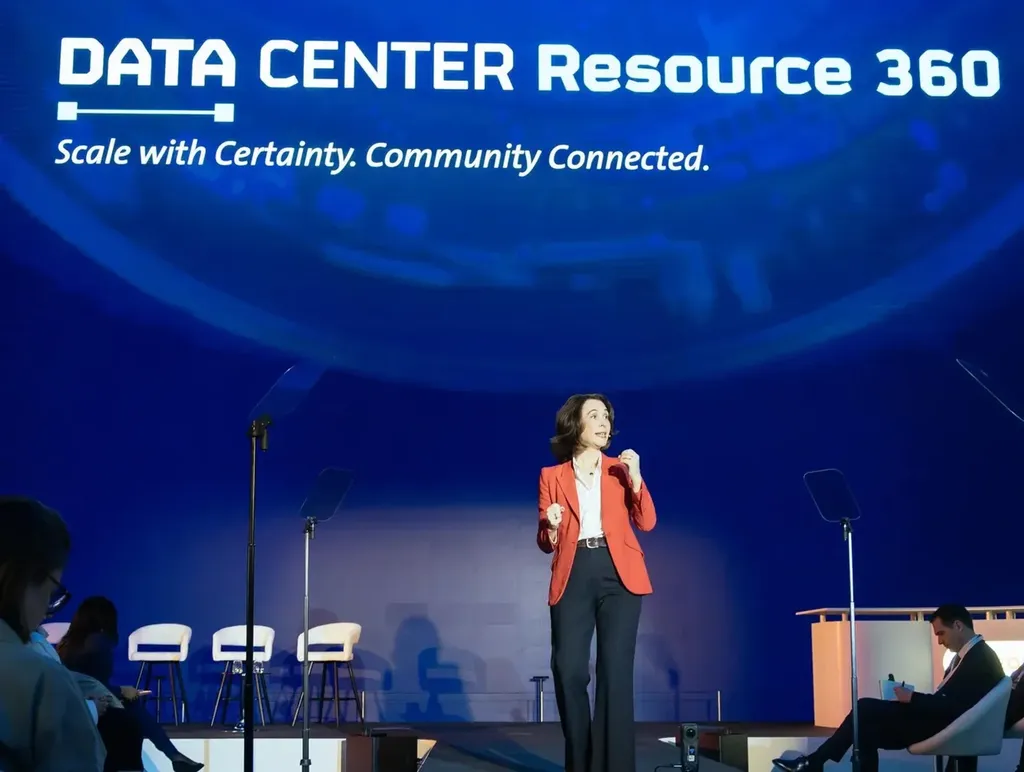
Veolia Environnement’s new Data Center Resource 360 solution arrives at a critical inflection point for an industry under unprecedented sustainability pressure. The timing reflects a convergence of regulatory demands, investor scrutiny and operational realities that are reshaping how data centers are designed, financed and permitted. With Europe’s energy and water regulations tightening and U.S. state-level mandates expanding, operators can no longer treat resource efficiency as an afterthought. Veolia’s bundled offering—integrating water reuse, heat recovery, carbon management and circular waste systems—positions the company not just as a service provider, but as a gatekeeper for project approvals. One industry insider noted: *“Regulators aren’t just asking about PUE anymore; they’re demanding water neutrality, heat export agreements and verified recycling rates. If you can’t deliver on those, you don’t get the permit.”*
The move builds on Veolia’s existing footprint with 10 of the world’s largest data center operators, spanning over 100 sites globally. But the formalization of Data Center Resource 360 signals a strategic pivot: from reactive resource management to proactive infrastructure enablement. The inclusion of the Hubgrade digital platform adds a layer of performance transparency that’s increasingly demanded in long-term contracts. Operators now face a dual challenge: securing water and energy supply while meeting investor ESG mandates. A bundled solution that bundles financing, technology and compliance support becomes more than a cost center—it’s a risk mitigation tool. As one analyst put it: *“This isn’t about saving 5% on cooling costs anymore. It’s about whether a project gets built at all.”*
Yet the expansion carries risks. Data center projects are capital-intensive, often involving multi-jurisdictional permitting and complex stakeholder negotiations. Delays or contract disputes could strain cash flow, particularly given Veolia’s current debt profile, where operating cash flow coverage remains a concern. The push into higher-value, technology-driven services may also test internal integration, as traditional water and waste teams align with digital monitoring and energy service units. One risk warning highlighted: *“Large data center projects can lock in capital for years. If contract terms aren’t tightly structured, operational complexity could erode margins faster than expected.”*
For investors, the launch reframes Veolia’s growth narrative. It shifts focus beyond municipal water and hazardous waste toward a higher-margin, tech-enabled segment with direct exposure to digital infrastructure—a market projected to grow at over 12% annually through 2030. Early indicators will be contract disclosures tied explicitly to Data Center Resource 360, especially those mentioning permit approvals tied to lower water use or higher heat recovery rates. Analysts already view this as a key driver of revenue quality. As one investor note in the Simply Wall St community pointed out: *“This isn’t just another sustainability add-on. It’s a wedge into a sector where sustainability is now table stakes—and Veolia is positioning itself as the one-stop partner.”*
What remains to be seen is how quickly operators adopt integrated solutions versus piecemeal upgrades. The former favors Veolia’s model; the latter risks commoditizing its offerings. Regulatory signals will be decisive: jurisdictions like Germany and France are already tying data center permits to water reuse quotas, while U.S. states like Virginia and Oregon are mandating heat recovery reporting. Veolia’s ability to translate these mandates into standardized service contracts could define its success. The company’s next investor update will be telling—whether it highlights new data center wins as standalone case studies or embeds them within broader resource management narratives. One thing is clear: in the data center industry, sustainability isn’t optional anymore. It’s the foundation of project feasibility—and Veolia is staking its claim to build it.