
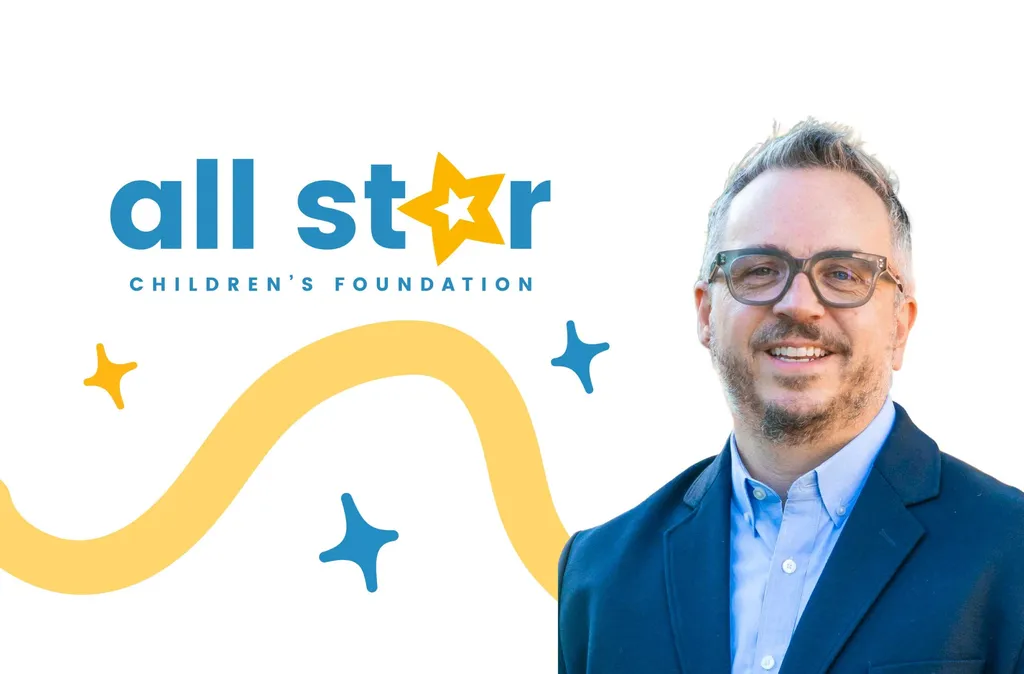
Stephen Fancher’s promotion to CEO of the All Star Children’s Foundation marks a continuity of leadership that could reshape how trauma-informed care is delivered to children in foster care across Florida. Having served as chief advancement officer since the organization’s founding, Fancher has overseen its growth into a provider of outpatient assessment, therapy, and community training programs—all grounded in evidence-based practices. His track record suggests he will double down on the foundation’s science-driven approach, but the real test lies in scaling these services without diluting their quality. Graci McGillicuddy, board chair, emphasizes his “heart, clarity, and deep commitment,” which may reassure stakeholders, yet the sector’s biggest challenge remains bridging the gap between innovative interventions and systemic funding gaps.
Meanwhile, Amy Sankes’ return to The Ringling Museum of Art as senior director of development signals a strategic pivot in how cultural institutions balance preservation and philanthropy. Her prior tenure (2007–13) involved designing a fundraising roadmap that generated millions, and now she’s tasked with The Bolger Match Campaign—a $222,000 challenge grant tied to Hurricane Helene’s damage to Ca’ d’Zan. The campaign’s success could set a precedent for how art institutions leverage public-private partnerships to address climate-related risks, a consideration increasingly critical for heritage sites in hurricane-prone regions.
Tervis’s acquisition of Symglass—an unbreakable drinkware brand—highlights a strategic expansion beyond its core insulated tumblers, tapping into the growing demand for durable, premium tableware. Roger Parsons, Tervis’s president and CRO, frames it as a growth move, but the real question is whether this diversification will dilute Tervis’s identity or position it as a lifestyle brand capable of competing with heavier hitters like Yeti or Hydro Flask. The repositioning of Symglass under the Tervis umbrella could signal a shift toward product lines that prioritize longevity, a theme gaining traction in a disposable-goods market ripe for disruption.
At Goodwill Manasota, Kim Glogovsky’s promotion to VP of real estate underscores the organization’s expanding footprint, particularly in east coast markets like Palm Beach. Her background in construction and property management suggests a more aggressive approach to asset optimization, which could be critical as nonprofits face rising operational costs. Kevin Ouellette’s elevation to VP of safety and risk management, meanwhile, reflects a growing emphasis on protecting physical and reputational assets—especially for organizations with multiple retail locations. Russ Prentice’s hire as VP of information systems adds another layer: as Goodwill scales, its IT infrastructure will need to keep pace with data security and efficiency demands, a challenge many nonprofits underestimate until it’s too late.
Justin Smith’s appointment as chief program officer for Big Waters Land Trust introduces a new dynamic in land conservation, blending his government and nonprofit experience with a focus on public-private partnerships. His background in multimillion-dollar negotiations and grant funding could help the trust navigate Florida’s complex conservation landscape, where land acquisition often hinges on state-level policy shifts. His role in shaping public policy may also position him as a key voice in debates over water management and agricultural land use, areas where conservation and economic development frequently collide.
Tom Latka’s arrival at Lee Wetherington Homes as production manager arrives at a pivotal moment for the luxury homebuilding sector. With high-end residential projects facing rising material costs and labor shortages, Latka’s experience in multimillion-dollar developments will be tested in delivering projects on time and within budget. His background at Seaward Development and John Cannon Homes suggests he’s accustomed to high-stakes oversight, but the luxury market’s volatility—amplified by economic uncertainty—could force a reevaluation of how builders approach risk and client expectations.
All Faiths Food Bank’s leadership reshuffle, including promotions tied to its new Margie’s Market in Newtown, reflects a broader trend in food banking: the shift from traditional food distribution to holistic nutrition and wellness programs. Kristina Richardson’s new role as senior director of nutrition and wellness, for example, signals a move toward addressing food insecurity as part of a larger health crisis. Meanwhile, the hires at Margie’s Market—particularly Lindsey Trammell as site manager—indicate a community-centric approach that could redefine how food banks operate in underserved neighborhoods.
Finally, the merger of Sunshine Community Compost and Community Harvest SRQ into Sunshine Community Harvest highlights a growing convergence of waste reduction and food access. By unifying programs that tackle both ends of the food system, the new organization could serve as a model for how communities address food waste while expanding fresh food availability—a dual challenge that municipalities and nonprofits alike are struggling to solve.