
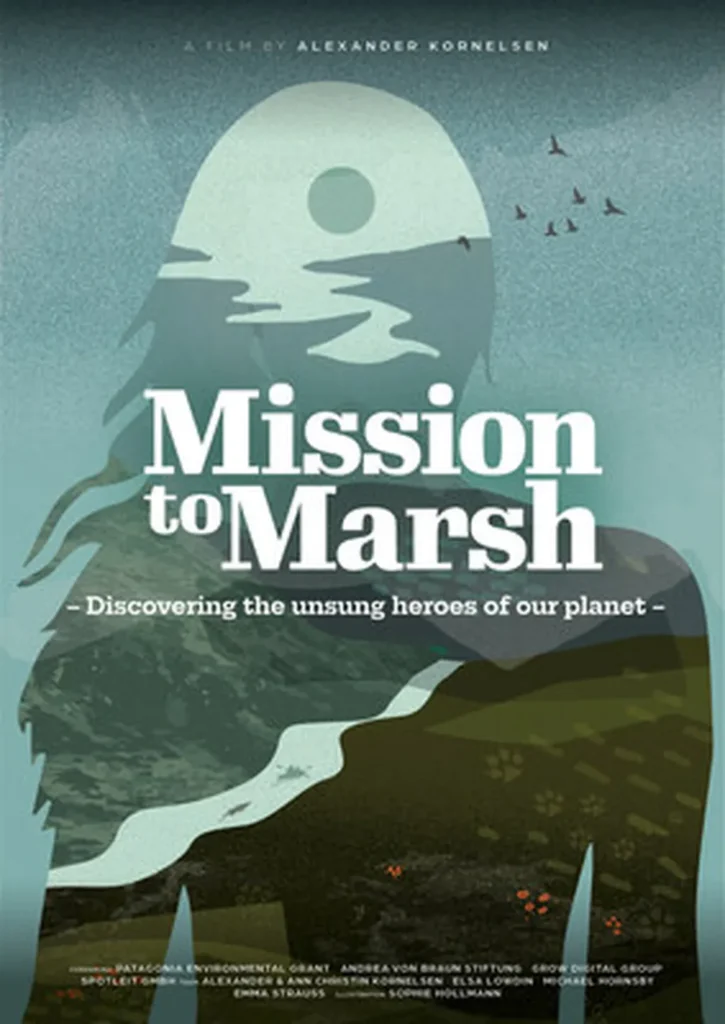
Peatlands, often overlooked in global climate discussions, are quietly holding the key to some of the most pressing challenges of our time. These waterlogged ecosystems—spanning vast swathes of the planet from the Arctic tundra to tropical regions—store more carbon than all of Earth’s forests combined. Yet, as pressures from climate change and human activity intensify, these critical carbon vaults are degrading at an alarming rate. The stakes couldn’t be higher: losing peatlands doesn’t just mean releasing staggering amounts of greenhouse gases; it also threatens biodiversity, water security, and the very ecosystems that sustain human life.
Enter Alice M. Milner, a geographer at the Royal Holloway University of London, and a team of 467 researchers from 54 countries who have just delivered a roadmap for peatland science over the next decade. Their work, published in *Communications Earth & Environment* (地球与环境通讯), isn’t just another academic exercise—it’s a call to action. The study distills the collective wisdom of experts into 50 priority research questions, spanning everything from carbon dynamics to restoration techniques and policy engagement. The goal? To bridge critical knowledge gaps and ensure peatlands can continue delivering their life-sustaining services.
One of the most striking revelations from the survey is the urgency around technological innovation. Peatlands are notoriously difficult to study—waterlogged, remote, and often inaccessible—but new tools like remote sensing, AI-driven modeling, and drone-based monitoring are changing the game. As Milner puts it, “We’re only scratching the surface of what’s possible. The next decade will see peatlands move from being a scientific backwater to a frontier for cutting-edge research.” For industries like energy, where companies are under increasing pressure to decarbonize, peatlands could offer unexpected solutions. Restoring degraded peatlands, for instance, could create carbon credits with real integrity, while sustainable peatland management might even unlock new water management strategies for energy projects in water-stressed regions.
But the stakes are higher than just carbon accounting. Peatlands are the kidneys of the planet—filtering water, regulating floods, and supporting unique biodiversity. Their degradation doesn’t just accelerate climate change; it disrupts entire water cycles, with knock-on effects for agriculture, urban water supplies, and even energy production. A single degraded peatland in a watershed could mean higher treatment costs for drinking water or increased siltation in hydroelectric reservoirs. For energy companies operating in peat-rich regions, the message is clear: peatlands aren’t just an environmental concern; they’re a commercial one.
The research also highlights the need for community and policy engagement. Many peatlands are stewarded by Indigenous and local communities, whose knowledge of these ecosystems is invaluable. Yet, as Milner notes, “We can’t afford to work in silos. The best solutions will come from blending scientific innovation with traditional knowledge and robust policy frameworks.” For industries looking to invest in peatland restoration or sustainable management, this means building partnerships with local stakeholders—not just as beneficiaries, but as co-creators of solutions.
So, what’s next? The research agenda set out by Milner and her team isn’t just a wish list; it’s a blueprint for turning peatlands from a climate vulnerability into a climate solution. For the energy sector, this could mean new revenue streams from carbon credits, reduced operational risks in water-stressed areas, and even a seat at the table in shaping global peatland policies. The question isn’t whether peatlands matter—it’s whether we’re ready to act before it’s too late. As the study underscores, the time to invest in peatland science is now.