
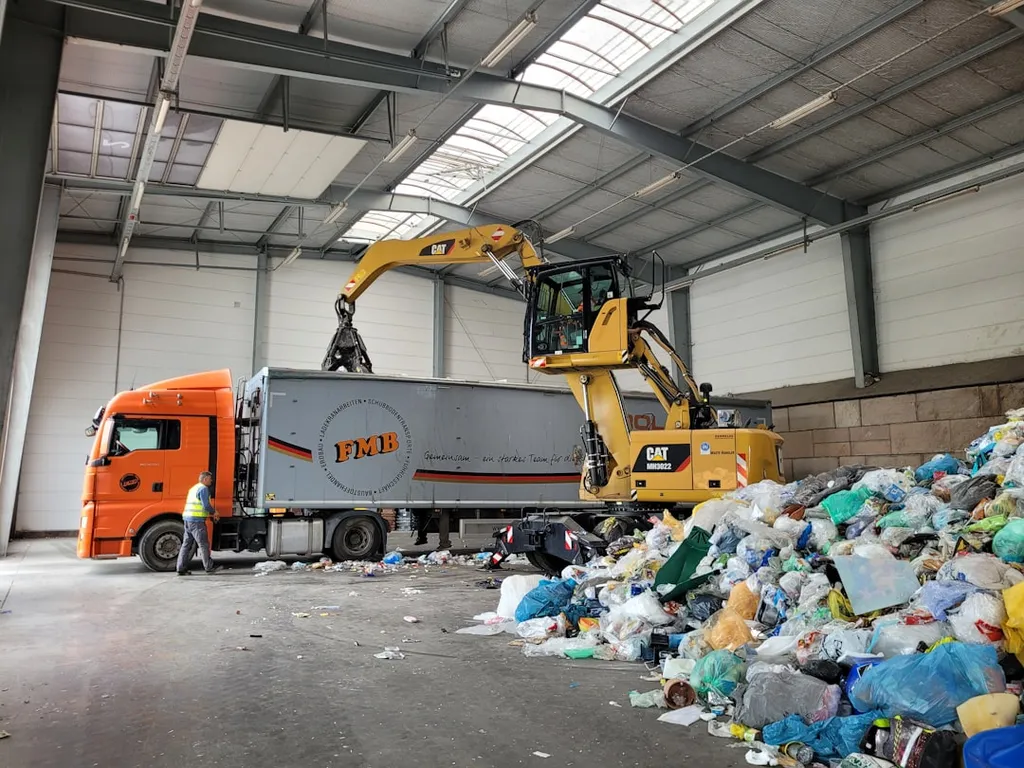
The waste management industry is navigating a complex landscape of regulatory pressure, technological innovation and financial constraints, yet it remains a critical enabler of global sustainability goals. The sector’s projected 6.6% compound annual growth rate through 2031, as estimated by Mordor Intelligence, reflects both the escalating volumes of waste in emerging economies and the increasing sophistication of collection and treatment systems. This expansion is not merely quantitative; it is being shaped by structural shifts in how waste is perceived—from a mere byproduct of industrialization to a resource to be recovered, repurposed and even monetized.
Regulatory frameworks are now a primary catalyst for change. Governments worldwide are tightening controls on waste disposal, particularly for hazardous materials such as PFAS—often referred to as “forever chemicals.” The endorsement of high-temperature incineration by agencies like the U.S. Environmental Protection Agency and the Pentagon has given companies like Clean Harbors a regulatory tailwind, enabling revenue growth of 25-35% in the Environmental Services segment. The company’s Kimball incinerator, for instance, is exceeding tonnage targets, demonstrating how compliance-driven mandates can align with operational efficiency. Yet, this regulatory push comes at a cost. Operating expenses are rising sharply, driven by the need for advanced sorting technologies, upgraded fleet management and compliance with stringent environmental standards. The industry’s reliance on heavy machinery, specialized labor and real-time data systems means that margins remain under pressure despite growing demand.
Technology is emerging as the great equalizer. AI-driven sorting systems are reducing landfill dependency by improving the accuracy of recyclable material recovery, while waste-to-energy (WTE) innovations—such as pyrolysis, gasification and anaerobic digestion—are transforming waste streams into renewable energy sources. The WTE market, valued at $37.3 billion in 2025, is projected to reach $51.7 billion by 2034, according to Fortune Business Insights. This growth is fueled not only by waste volume but by the urgent need for alternatives to fossil fuels. Veolia Environnement has capitalized on this trend, reporting 4.1% organic growth in its Energy segment and 2% in Water, driven by high-margin sectors like data centers and microelectronics. The company’s acquisition of Enviropacific in Australia and a minority stake in Water Technology underscore a strategic pivot toward integrated, high-value solutions.
Environmental, Social and Governance (ESG) considerations are no longer peripheral to waste management; they are central to its future. Companies are increasingly judged on their ability to reduce landfill use, lower carbon footprints and improve recycling rates. Grand View Research estimates that the average ESG disclosure score for the waste management industry hovers between 50-60%, reflecting both progress and room for improvement. For investors, this translates into tangible value. Companies that excel in ESG metrics often command premium valuations, as they attract capital from sustainability-focused funds and meet the demands of increasingly eco-conscious consumers.
Despite these advancements, the industry’s financial health remains a concern. The Zacks Waste Removal Services industry has underperformed the broader market, declining 13.8% over the past year compared with the S&P 500’s 32.4% gain. Yet, its valuation metrics suggest resilience. Trading at 11.59 times EV-to-EBITDA, it sits between the sector’s 9.72X and the S&P 500’s 18.59X, positioning it as a relatively affordable segment within a capital-intensive industry. Clean Harbors, Veolia Environnement and Zurn Elkay Water Solutions represent distinct yet complementary plays: CLH leveraging regulatory tailwinds and AI efficiency, VEOEY expanding in high-margin energy and water solutions, and Zurn Elkay focusing on the design and engineering of water infrastructure. Each reflects a different facet of the industry’s evolution—whether in hazardous waste management, circular economy integration or smart utility solutions.
The interplay of regulation, technology and finance will define the next decade of waste management. As urbanization accelerates and environmental standards tighten, the industry’s ability to turn waste from a liability into an asset will determine not just its profitability, but its role in shaping a sustainable global economy. The question is no longer whether waste management will grow, but how quickly it can adapt—balancing cost pressures with innovation, compliance with competitiveness, and environmental responsibility with economic viability.