
China’s latest campaign to tighten water-pollution control along the Yangtze River Economic Belt is not a symbolic gesture but a coordinated push to align legal enforcement with ecological restoration across 11 provinces that together produce half of the country’s economic output. The year-long public-interest litigation drive, launched on 20 May 2026, zeroes in on five hazard clusters: agricultural and aquaculture runoff, municipal and industrial wastewater, tailings storage, illegal solid-waste dumping and continued infringements of the decade-long fishing moratorium. Procurators will treat these not as isolated violations but as systemic risks that threaten both biodiversity and the Belt’s role as the backbone of China’s high-quality development.
Speaking at a joint seminar with the Ministry of Ecology and Environment in Yibin, Sichuan, Supreme People’s Procurator-General Ying Yong framed the campaign as service to stability. “Procuratorial organs should maintain security and stability along the river and support high-quality development with high-level security,” Ying told delegates. He called for heavier penalties—including damage and punitive compensation—faster integration of law-enforcement, criminal and administrative channels, and closer coordination between procurators, environmental police and ecological restoration teams. The message was clear: the next five years will prioritise cross-regional case handling, satellite-backed surveillance and real-time evidence collection that leaves little room for repeat offenders.
The figures released in the SPP’s 14th Five-Year white paper reveal the scale of the effort. Between 2021 and 2025, procuratorial bodies nationwide handled 274,000 environment and resources cases, approved arrests for 32,000 people, and prosecuted 169,000. Through specialised ecological-restoration procedures they secured the remediation of 23,133 hectares of polluted land and water bodies and compelled the clean-up of 15.4 million tonnes of industrial solid waste. Technology has been the multiplier: a national network of 500 rapid-testing laboratories, complemented by satellite remote sensing and drone sweeps, now covers every city-level procuratorate in the Belt. The “Yixinweigong” volunteer cloud platform has enrolled 126,000 citizens who filed 38,000 tip-offs and joined 40,000 public activities, blurring the line between state enforcement and civic vigilance.
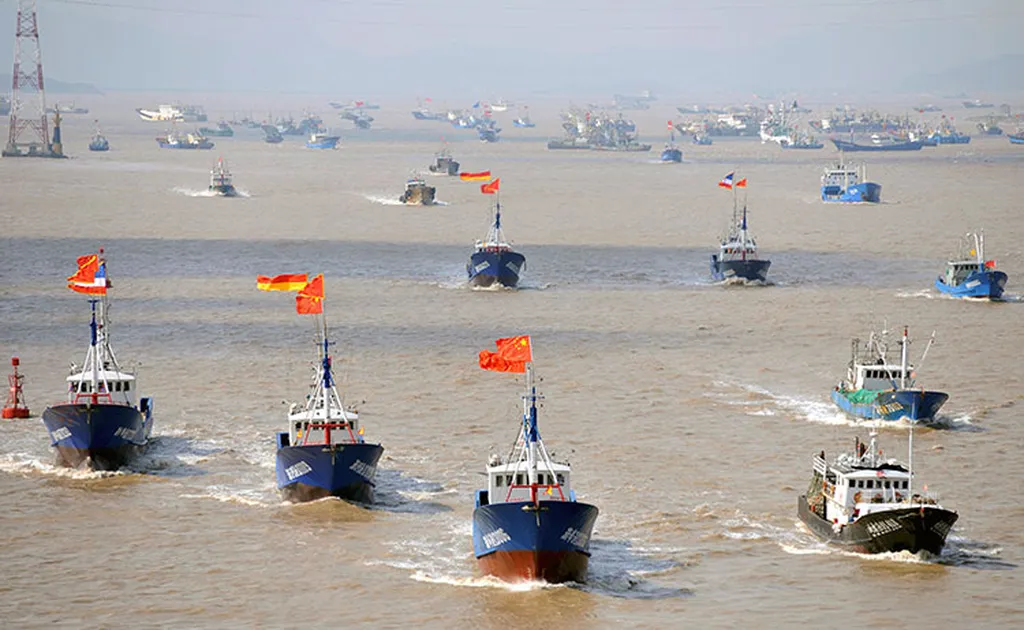
Yet the campaign’s reach extends beyond prosecution. For five straight years procurators have run cross-departmental strikes against hazardous-waste trafficking and tampering with automated monitoring data, while the 10-year fishing ban has been enforced through coordinated patrols and digital vessel-tracking. These measures are now being presented at UN climate forums as a distinctively Chinese model of river-basin governance, one that combines punitive deterrence with habitat rehabilitation. During the 15th Five-Year Plan, the SPP intends to deepen public-interest litigation against black-odor water bodies, noise, cooking-fume nuisance and illegal land conversion—issues that directly touch daily life but are often deprioritised in broader ecological plans.
The underlying question is whether such legal intensity can translate into systemic resilience. China’s track record shows that command-and-control enforcement can deliver rapid compliance, yet mid-to-long-term ecological health still depends on sustained funding for wastewater interceptors, stricter tailings standards and incentives that make green agriculture more profitable than nutrient runoff. The procuratorate’s next test will be to convert today’s legal victories into durable infrastructure and economic incentives that outlast the year-long campaign.