
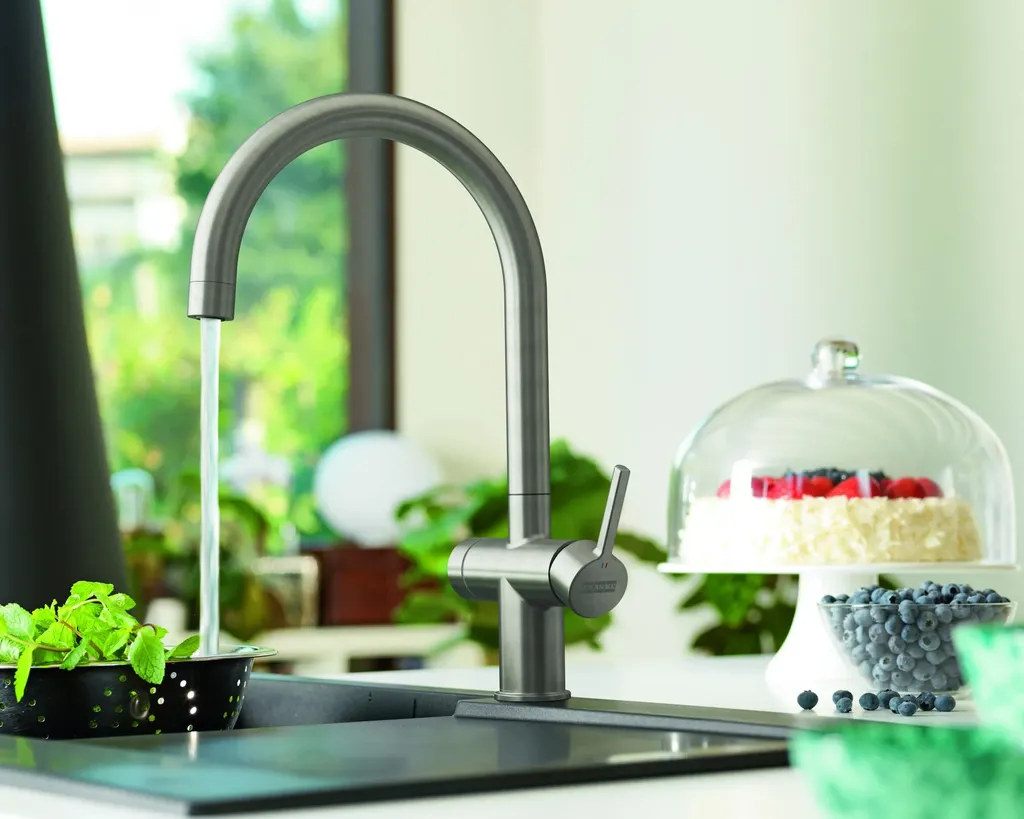
The kitchen tap is no longer just a functional fixture—it’s evolving into a high-tech water management system. Industry experts describe how modern models are integrating features once reserved for specialized appliances, from sensor-activated pours to biometric safety controls. “We’re seeing kitchen taps evolve from simple fixtures into fully integrated water systems,” says Jordy Wolley of ABI Interiors, emphasizing how the device is becoming a central hub for hygiene, efficiency, and convenience in the home.
Sensor-driven taps, for instance, are gaining traction not just for their futuristic appeal but for their tangible benefits. Hands-free operation eliminates cross-contamination in busy kitchens while addressing accessibility needs for children and elderly users. The inclusion of motion sensors with automatic shut-off timers also aligns with water conservation goals, reducing waste by preventing taps from running unnecessarily. However, reliance on battery power or electrical connections introduces maintenance considerations that simpler models avoid.
Biometric boiling water taps represent another leap forward, particularly for families. Fingerprint recognition ensures only authorized users can access near-boiling water, addressing safety concerns in households with young children. These systems also streamline beverage preparation, eliminating the need for kettles and reclaiming counter space—a feature praised by designers like Brani Hadzhi, who highlights the time-saving value of such integrated solutions in fast-paced homes. Yet, the premium pricing and sensor maintenance may deter budget-conscious buyers.
Water efficiency remains a core focus, with manufacturers reengineering spray functions to reduce flow rates without sacrificing performance. “The focus has shifted from simply restricting water flow to using it more intelligently,” explains Sarah Evans of Hansgrohe, noting that newer spray heads achieve 40–50% water savings compared to traditional taps while maintaining usability. For eco-conscious consumers, these innovations offer a practical way to shrink their environmental footprint without sacrificing functionality.
Filtered water taps, particularly dual-waterway models, are also reshaping hydration habits by providing chilled, purified water on demand. Systems like GROHE’s Blue Pure separate clean and unfiltered flows, ensuring taste and safety remain uncompromised. This technology resonates in regions with hard water or high chlorine levels, offering a sustainable alternative to bottled water. Still, the ongoing cost of filter replacements and the higher upfront investment pose barriers for some households.
For those who prioritize convenience, taps with sparkling water dispensers add another layer of functionality. While luxury multi-outlet models integrate boiling, chilled still, and sparkling water into a single fixture, they come at a significant cost. Yet for regular sparkling water drinkers, the elimination of single-use plastic bottles and the convenience of on-tap carbonation could justify the expense.
As these features converge in high-end kitchen designs, the question remains: Are these advancements enhancing daily life or creating unnecessary complexity? The trend suggests a future where the kitchen tap acts as a central utility node—managing water quality, temperature, and flow with precision. For design professionals and homeowners alike, the challenge lies in balancing innovation with practicality, ensuring that each added feature delivers measurable value.