
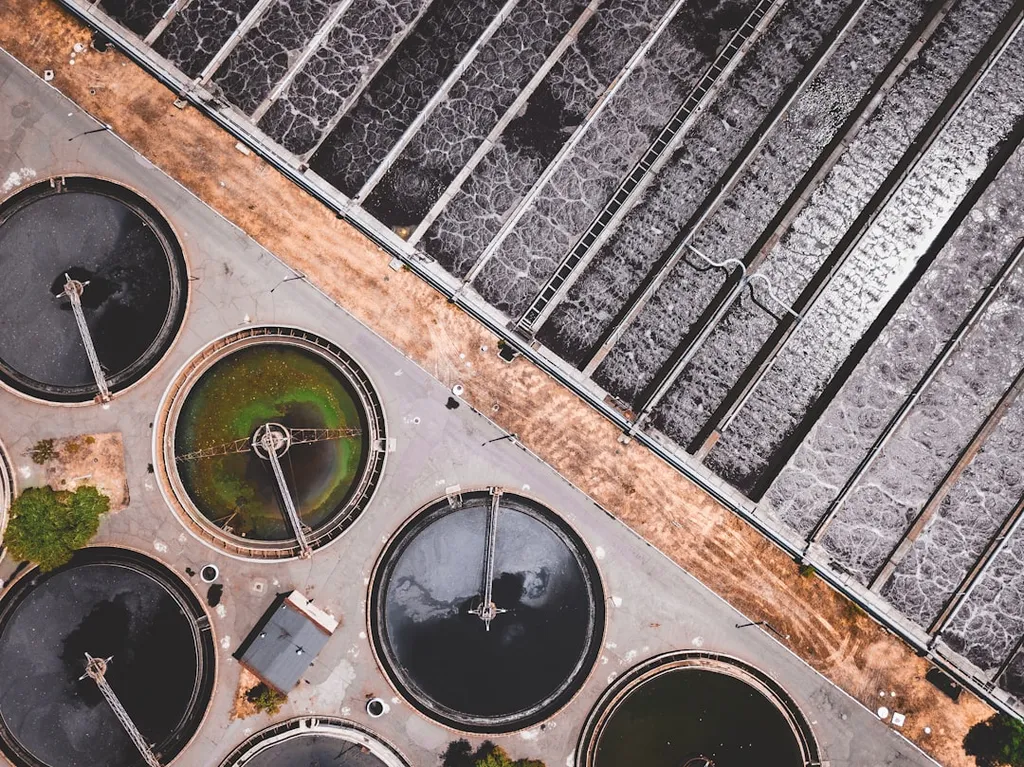
The water treatment industry stands at a crossroads. Rapid urbanization, industrial sprawl, and shifting climate patterns are straining aging infrastructure and pushing conventional disinfection methods to their limits. Chlorine, the stalwart of municipal water systems for over a century, is increasingly under scrutiny—not for its efficacy, but for the unintended consequences of its use. When chlorine reacts with organic matter in water, it forms disinfection by-products (DBPs) such as trihalomethanes, which are linked to long-term health risks and regulatory scrutiny. For industries—especially energy sector operations like thermal power plants, refineries, and desalination facilities—this isn’t just a compliance issue; it’s a cost center and a liability.
Enter nanotechnology. According to a groundbreaking review published in *Discover Nano* by Mohamed Azab El-Liethy, a researcher at Egypt’s National Research Centre, nanoparticles could offer a safer, more efficient path forward. El-Liethy’s work isn’t theoretical speculation—it’s a comprehensive synthesis of how nanoscale materials can disrupt biofilms, neutralize waterborne pathogens, and reduce reliance on chemical disinfectants that generate harmful by-products.
“Current disinfection methods are effective but increasingly unsustainable,” says El-Liethy. “We need solutions that don’t trade one problem for another. Nanoparticles, particularly those based on silver, titanium dioxide, or zinc oxide, show strong antimicrobial activity with minimal by-product formation. That’s a game-changer for facilities managing large volumes of water.”
The energy sector—often a major water consumer and discharger—could be among the first to benefit. Power plants, for example, require vast quantities of clean water for cooling and steam generation. Biofilms in cooling towers not only reduce efficiency but can harbor Legionella and other pathogens, posing health risks to workers and nearby communities. Traditional biocides like chlorine or quaternary ammonium compounds are effective but corrosive, energy-intensive to dose, and increasingly regulated.
Nanoparticles, by contrast, can be engineered for targeted action. Titanium dioxide, for instance, becomes antimicrobial under UV light, enabling a self-cleaning mechanism in treatment systems. Silver nanoparticles, long known for their bactericidal properties, can be embedded in filtration media to prevent biofilm regrowth without leaching into the water stream at harmful levels.
“What’s exciting is the tunability,” explains El-Liethy. “By controlling size, shape, and surface coating, we can optimize nanoparticles for specific environments—whether it’s a high-salinity desalination brine or a low-pH industrial effluent.”
The commercial implications are significant. Reduced chemical usage translates to lower operational costs and minimized regulatory exposure. For energy companies facing stricter water discharge standards or carbon pricing, nanotechnology offers a way to align environmental performance with profitability. Pilot projects are already underway in Europe and the Middle East, where water scarcity and stringent regulations make innovation a necessity.
Still, challenges remain. Scalability, cost of synthesis, and concerns about nanoparticle toxicity in effluent streams are real hurdles. But as El-Liethy’s review highlights, the field is advancing rapidly. New green synthesis methods—using plant extracts or microbial processes—are cutting production costs and reducing environmental footprints.
For the water industry, and especially energy-dependent sectors, the message is clear: the future of disinfection may not lie in bigger tanks or stronger chemicals, but in smaller, smarter particles. As El-Liethy concludes in his review, “The next generation of water treatment systems will likely be built not just on infrastructure, but on innovation at the nanoscale.”