
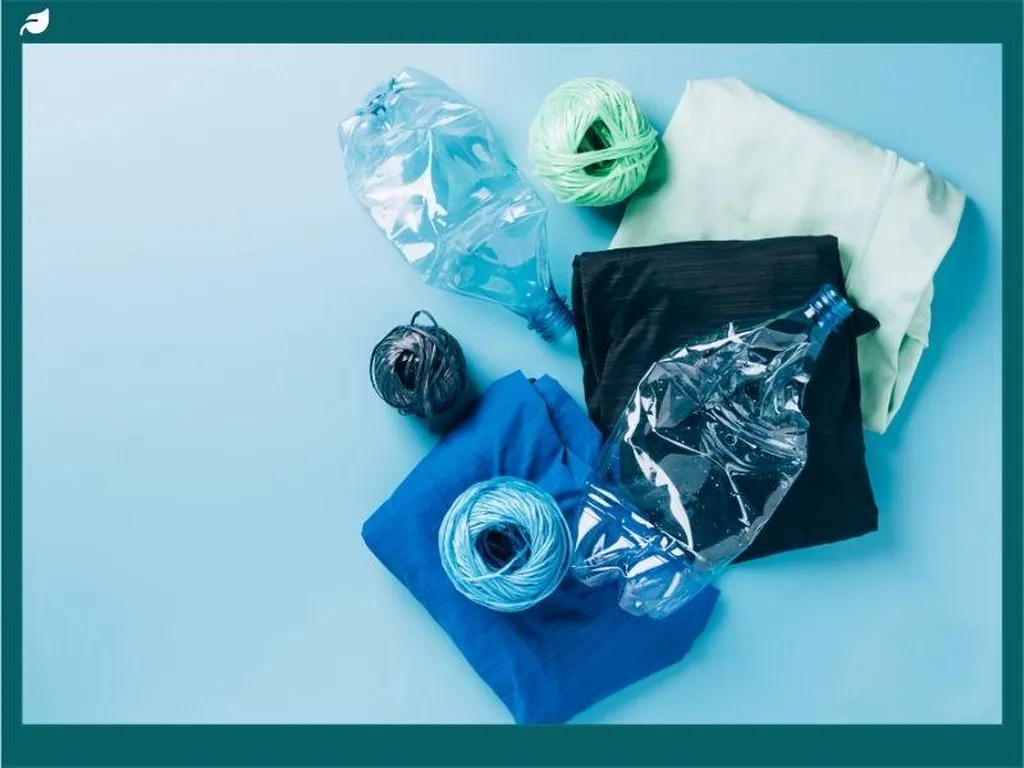
In a quiet laboratory in Spain, Tamara Ruiz-Calleja, a researcher at the Universidad Politécnica de Madrid, has uncovered a promising twist in the sustainability story of the textile industry. Her latest work, published in the *Journal of Industrial Textiles* (Revista de Textiles Industriales), explores how a simple mechanical process—calendering—can transform recycled polyester fabrics into higher-performing materials, all while keeping environmental impact low.
Ruiz-Calleja’s study focuses on a common but often overlooked material: 100% recycled polyester weft-knitted fabric, widely used in apparel and sportswear. The fabric undergoes calendering, a process where it is pressed between heated rollers to smooth and compress its surface. The results are striking. “The treatment reduces water vapour resistance by up to 23%,” Ruiz-Calleja explains, “which is particularly valuable for sportswear, where breathability is key.” For athletes, this could mean garments that wick away sweat more efficiently, reducing discomfort and improving performance.
But the benefits don’t stop at breathability. The calendered fabric also resists visible sweat stains—a common complaint in activewear—while maintaining its mechanical strength. “Moisture management improves significantly, and the fabric’s appearance becomes more uniform,” she adds. These findings are novel; prior research hadn’t documented such improvements in recycled polyester through this method.
For industries eyeing sustainability without sacrificing performance, this is a game-changer. The textile sector, under pressure to adopt circular economy practices, often struggles with recycled materials that lag behind virgin fibers in quality. Ruiz-Calleja’s work suggests a low-cost, eco-friendly solution: calendering could make recycled polyester a more viable competitor to traditional textiles. And with global textile waste piling up, innovations like this could ease the burden on landfills and energy-intensive production cycles.
The implications ripple beyond fashion. Energy sectors reliant on textile-based materials—think filtration systems, protective gear, or even industrial fabrics—could benefit from fabrics that manage moisture better while reducing environmental footprint. “This isn’t just about clothing,” Ruiz-Calleja notes. “It’s about rethinking how we use recycled materials across industries.”
As the textile industry grapples with its environmental impact, Ruiz-Calleja’s research offers a glimmer of hope. A simple mechanical tweak could unlock new potential for recycled fabrics, proving that sustainability and performance aren’t mutually exclusive. The next step? Scaling this process for commercial use—and watching as recycled polyester steps into the spotlight.