
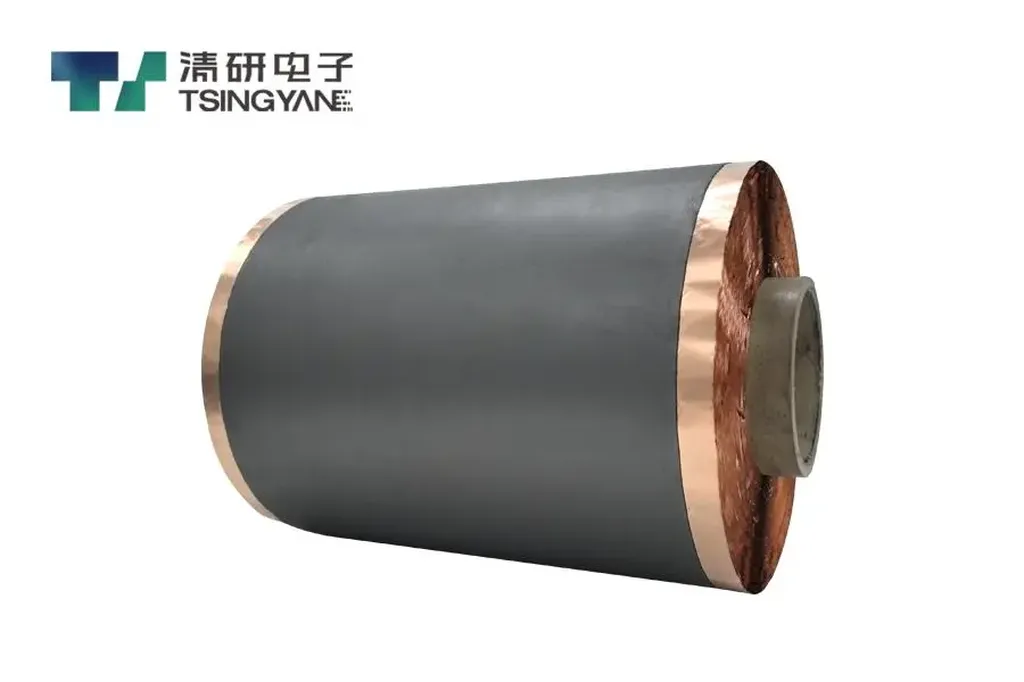
Researchers in Mexico have developed a promising new approach to desalination that could help address global freshwater shortages while reducing energy demands—a critical challenge for both water and energy sectors. Walter Torres Hernández, lead author of the study published in *Revista de Ciencias* (*Journal of Sciences*), and his team explored an electrochemical desalination cell that leverages modified carbon electrodes coated with conducting polymers to remove salt from water more efficiently.
Unlike traditional desalination methods like reverse osmosis, which require significant pressure and energy, electrochemical systems operate at lower voltages and can target specific ions, potentially cutting operational costs. The cell developed by Torres and colleagues uses polypyrrole for anion exchange and a polypyrrole/polystyrene sulfonate composite for cation exchange, enabling selective removal of sodium and chloride ions from saline solutions.
“This technology offers a more energy-efficient pathway to desalination,” said Torres, whose work focuses on advancing electrochemical water treatment systems. “By tuning the polymer layers on the electrodes, we can improve ion selectivity and stability, which are key for long-term performance.”
The study demonstrated substantial reductions in sodium chloride concentration—from 0.1 to 0.01 molar—suggesting potential for treating brackish water, a common challenge in arid regions and coastal communities. Importantly, the researchers also evaluated the cell’s long-term stability, a critical factor for real-world deployment.
As freshwater scarcity intensifies, innovations in desalination are increasingly vital. Electrochemical systems like the one described could complement existing technologies, particularly in off-grid or decentralized settings where energy efficiency is paramount. If scaled, such systems might reduce reliance on high-pressure pumps and large-scale infrastructure, aligning water and energy sustainability goals.
While challenges remain—such as optimizing flow rates, electrode durability, and cost—this research points to a future where desalination is not only more accessible but also more compatible with renewable energy integration. As Torres and his team continue to refine the technology, the implications for both water security and energy transition could be significant.