
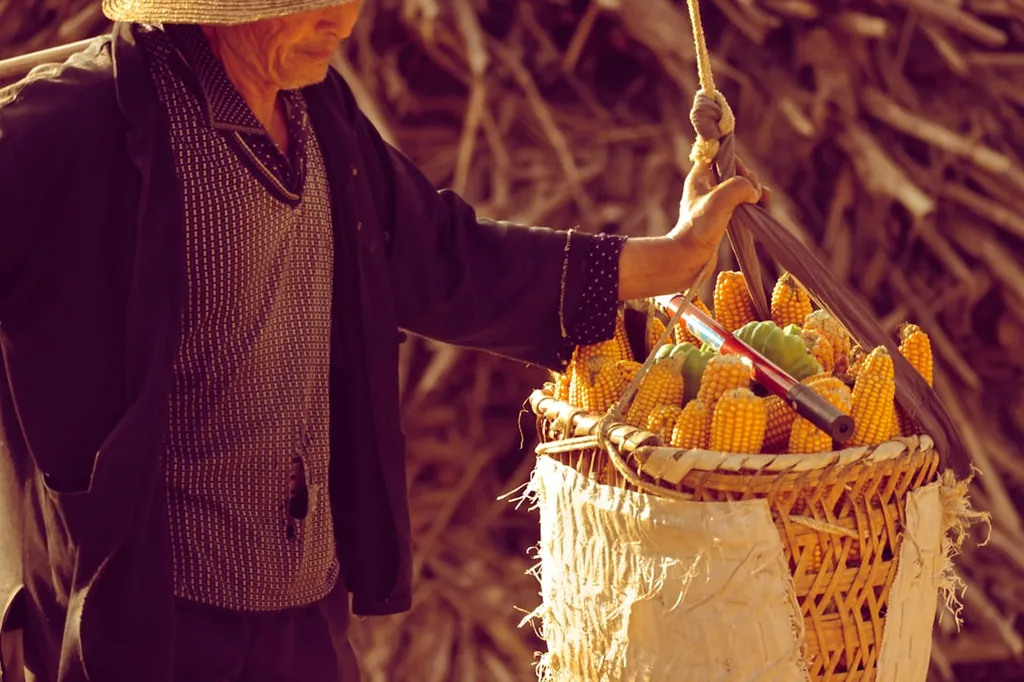
In the rugged karst landscapes of subtropical China, where jagged limestone hills dominate the terrain, farmers have long struggled against the whims of the soil. The very bedrock that shapes these dramatic vistas also creates a hidden challenge beneath the surface: calcareous soils that cling stubbornly to water, resist root penetration, and let nutrients slip away with the next heavy rain. For maize growers in these regions, the result is often stunted crops, wasted fertilizer, and a constant battle to coax a harvest from the land.
Xiang Liu, a researcher at the Kunming Natural Resources Comprehensive Survey Center under China’s Ministry of Natural Resources, has spent years studying this paradox. His latest findings, published in *Carsologica Sinica* (山地洞穴学报), offer a potential breakthrough—not with grand engineering, but with a finely tuned soil conditioner that could transform these unruly soils into productive farmland.
Liu’s team conducted meticulous pot experiments, testing a novel soil conditioner alongside standard chemical fertilizers. The results were striking. At the right dosage, the conditioner significantly improved soil structure, reduced nutrient leaching, and boosted maize growth by up to 38% compared to untreated plots. The optimal blend—5.38 grams of conditioner per basin of soil—created the most balanced nutrient profile, as measured by the Diagnosis and Recommendation Integrated System (DRIS), a diagnostic tool that pinpoints exactly which nutrients a crop lacks.
“What surprised us most was the critical role of micronutrients like iron and copper,” Liu said in an interview. “These are often overlooked in conventional fertilization, but in karst soils, they can be the difference between a thriving crop and one that barely survives.”
The implications extend beyond the farm gate. For the energy sector, which increasingly invests in biofuels and sustainable agriculture, this research could signal a shift in how marginal lands are managed. If soil conditioners like the one tested by Liu’s team can reliably enhance productivity in challenging environments, they may unlock new opportunities for renewable energy crops or reduce the need for water-intensive irrigation in drought-prone regions.
The study also highlights the fragility of karst ecosystems, where poor soil management can lead to irreversible degradation. By addressing nutrient imbalances at the root level, Liu’s work suggests a path toward both higher yields and long-term soil health—a balance that energy producers, policymakers, and farmers alike would be wise to heed.
As the global demand for sustainable land use grows, innovations like this soil conditioner could become a cornerstone of agricultural resilience. The next step? Scaling these findings from pots to fields, and ensuring that the benefits reach the farmers who need them most.