
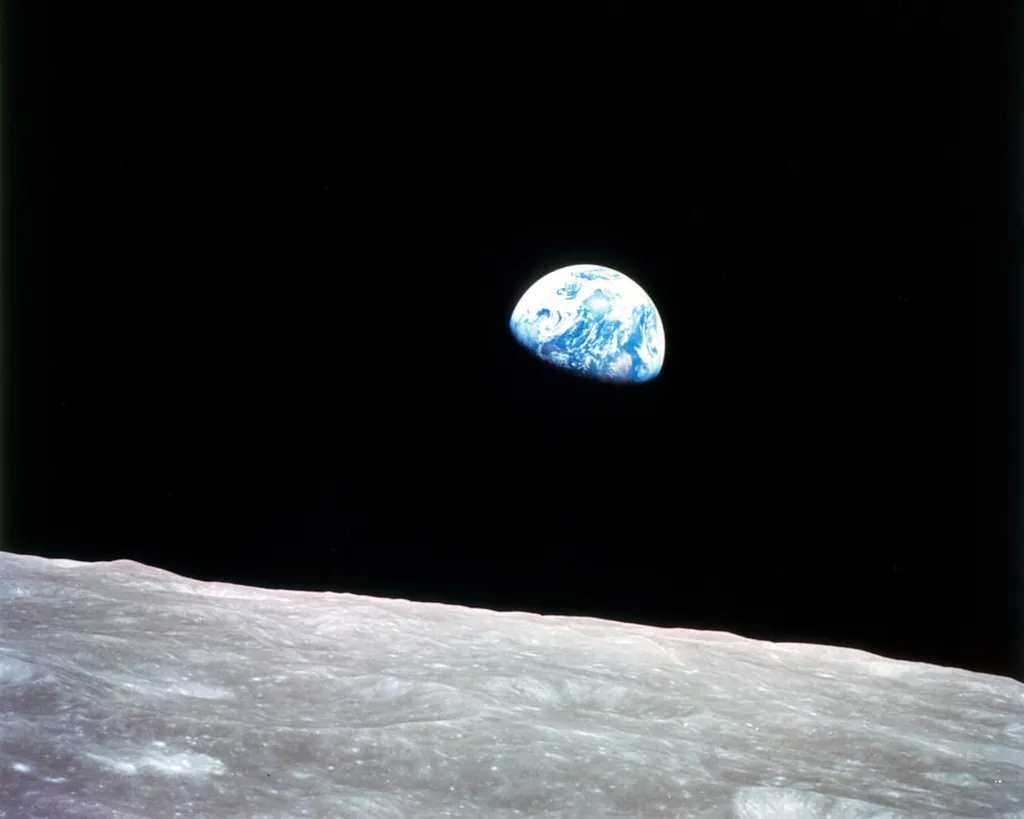
The race to establish a permanent human presence beyond Earth is no longer confined to the realms of science fiction. A new review published in *Engineering Science and Technology* (《工程科学与技术》), led by Xi Banglu, shines a spotlight on how in-situ resource utilization (ISRU)—the practice of extracting and using local materials on the Moon, Mars, or asteroids—could redefine the economics of deep space exploration. Unlike traditional missions that haul everything from Earth, ISRU promises to cut costs and enable long-term sustainability by turning lunar dust into breathable air or Martian soil into building materials.
Xi’s team highlights a critical insight: “Deep space environments contain vast untapped resources—water ice, helium-3, metals, and solar energy—that could support life support, propulsion, and even manufacturing.” This isn’t just academic speculation. NASA has already demonstrated early-stage ISRU systems, including oxygen extraction from lunar regolith and water production from ice deposits. These technologies could slash the $10,000-per-kilogram cost of launching supplies from Earth—a game-changer for commercial space ventures eyeing lunar mining or Mars colonization.
Yet the review underscores a gap: China’s ISRU research lags behind, with most concepts still on the drawing board. “Existing lunar and Mars base designs remain conceptual,” Xi notes, “and lack systematic engineering validation under real-world conditions.” That’s where the energy sector could play a pivotal role. Imagine solar farms on the Moon’s south pole—where sunlight is nearly continuous—or wind turbines on Mars, where thin but fast-moving air currents could power habitats. But turning these ideas into reality demands breakthroughs in energy storage, materials science, and autonomous robotics.
The commercial implications are staggering. Companies like SpaceX and Blue Origin are betting on lunar water ice as rocket fuel, while startups explore helium-3 for fusion energy. ISRU could unlock these markets by making extraction feasible. Xi’s review suggests the next decade will see a surge in analog testing—simulated lunar or Martian environments where technologies are stress-tested before launch. For energy firms, this is an invitation to invest in ISRU’s supply chains, from robotics to power systems.
As Xi’s work emphasizes, the Moon and Mars aren’t just destinations—they’re resource frontiers. The question isn’t whether ISRU will reshape space exploration, but who will lead the charge.